Case Study: How Ecoscape Transformed a Local Community Park
Introduction
In recent years, the focus on sustainability and environmental preservation has led to innovative approaches in landscape design. One standout example is Ecoscape, a company renowned for its commitment to eco-friendly practices. Their recent project involved transforming a local community park, turning it into a vibrant, sustainable space.
The Challenge
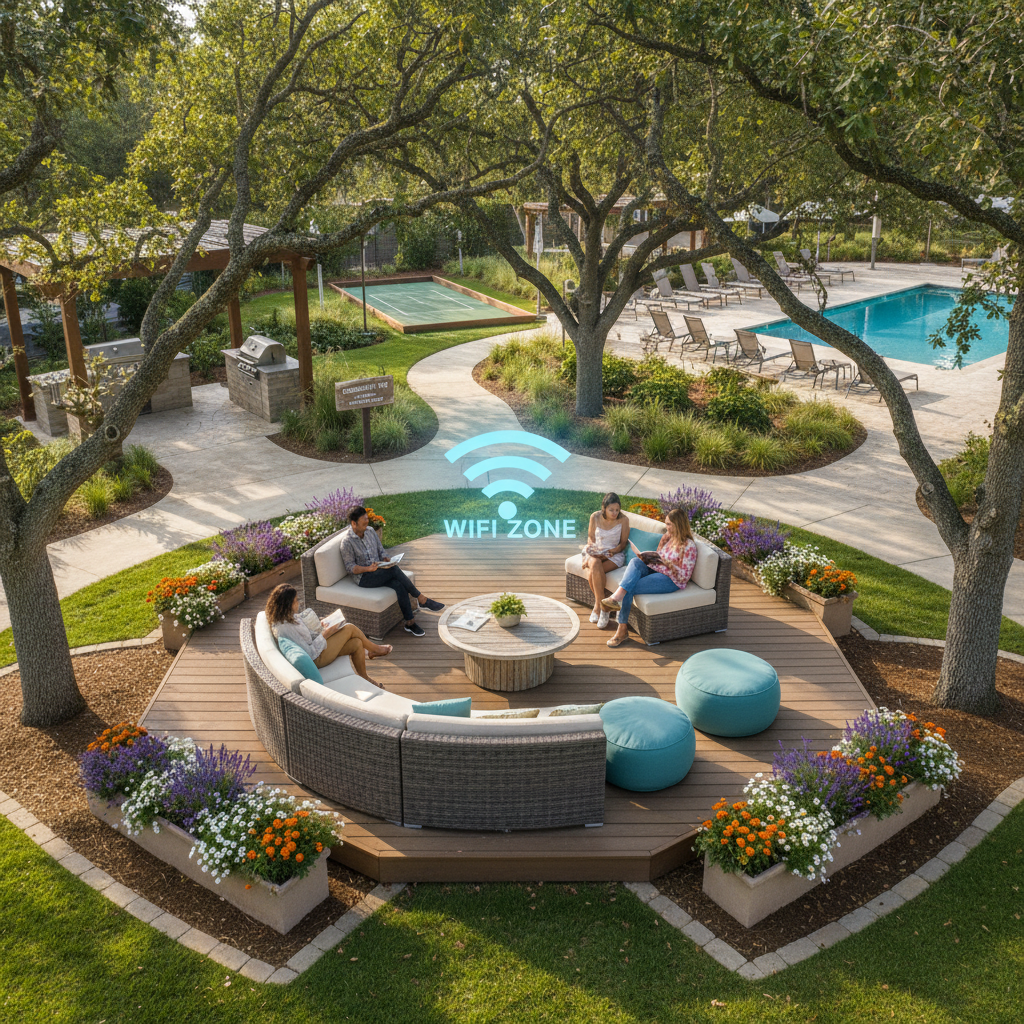
The local park, once a bustling hub for families and nature enthusiasts, had fallen into disrepair. Overgrown vegetation, eroded pathways, and neglected facilities made it an unwelcoming place. The community sought a partner who could breathe new life into the park while prioritizing environmental sustainability.
Ecoscape stepped in to address these challenges, with a mission to rejuvenate the area using sustainable and innovative methods. Their approach was not just about aesthetics but also about creating a lasting impact on the local ecosystem.
Planning and Design
Ecoscape's team began with a comprehensive assessment of the park's existing conditions, identifying areas that needed immediate attention. They engaged with community members to gather insights and understand their vision for the park. This collaborative approach ensured that the final design would meet local needs.
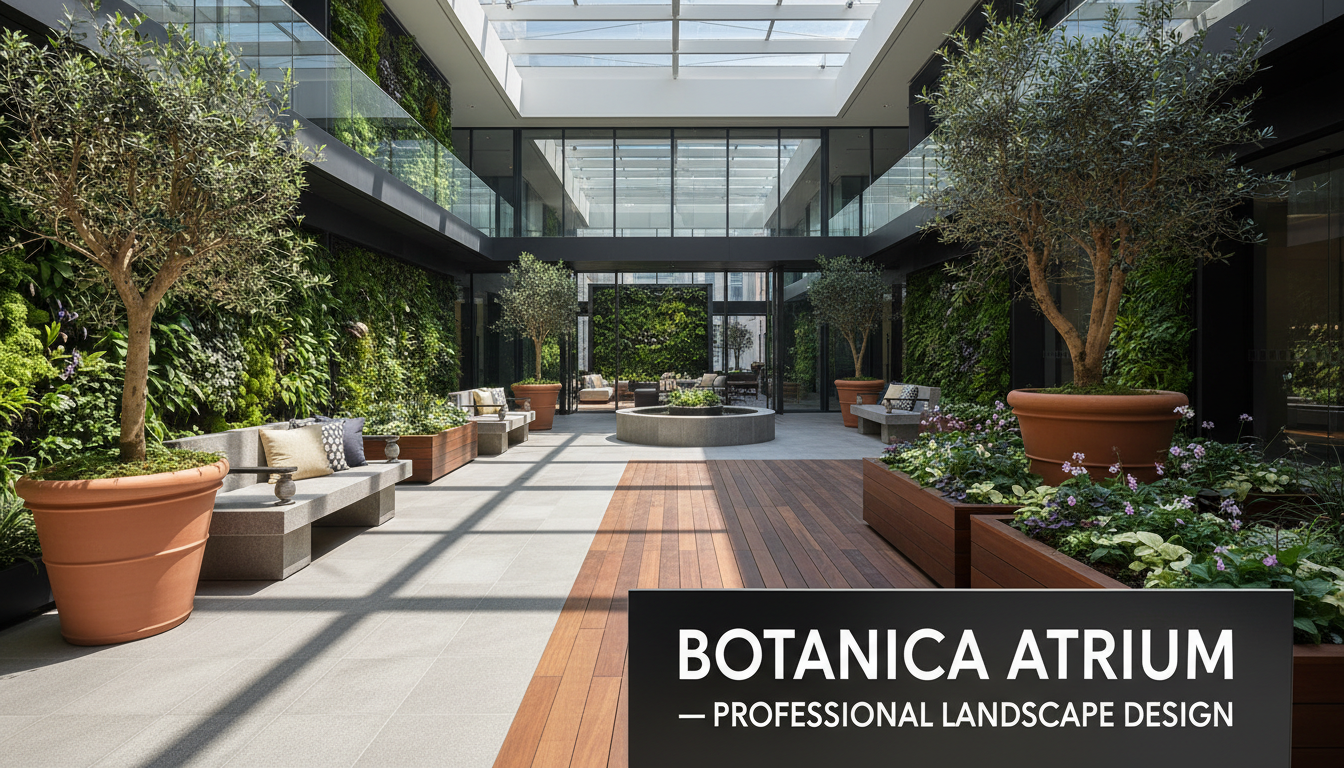
The design emphasized native plant species to enhance biodiversity and reduce maintenance requirements. The use of permeable materials for pathways and play areas helped manage stormwater runoff, preventing erosion and promoting groundwater recharge.
Implementation
With a clear plan in place, Ecoscape commenced the transformation. The team employed sustainable practices, such as utilizing recycled materials and minimizing heavy machinery use to reduce carbon emissions. Volunteers from the community also participated, fostering a sense of ownership and pride.
Key features introduced included eco-friendly playground equipment, solar-powered lighting, and educational signage about local flora and fauna. These enhancements not only improved the park's functionality but also educated visitors about environmental stewardship.
Impact and Results
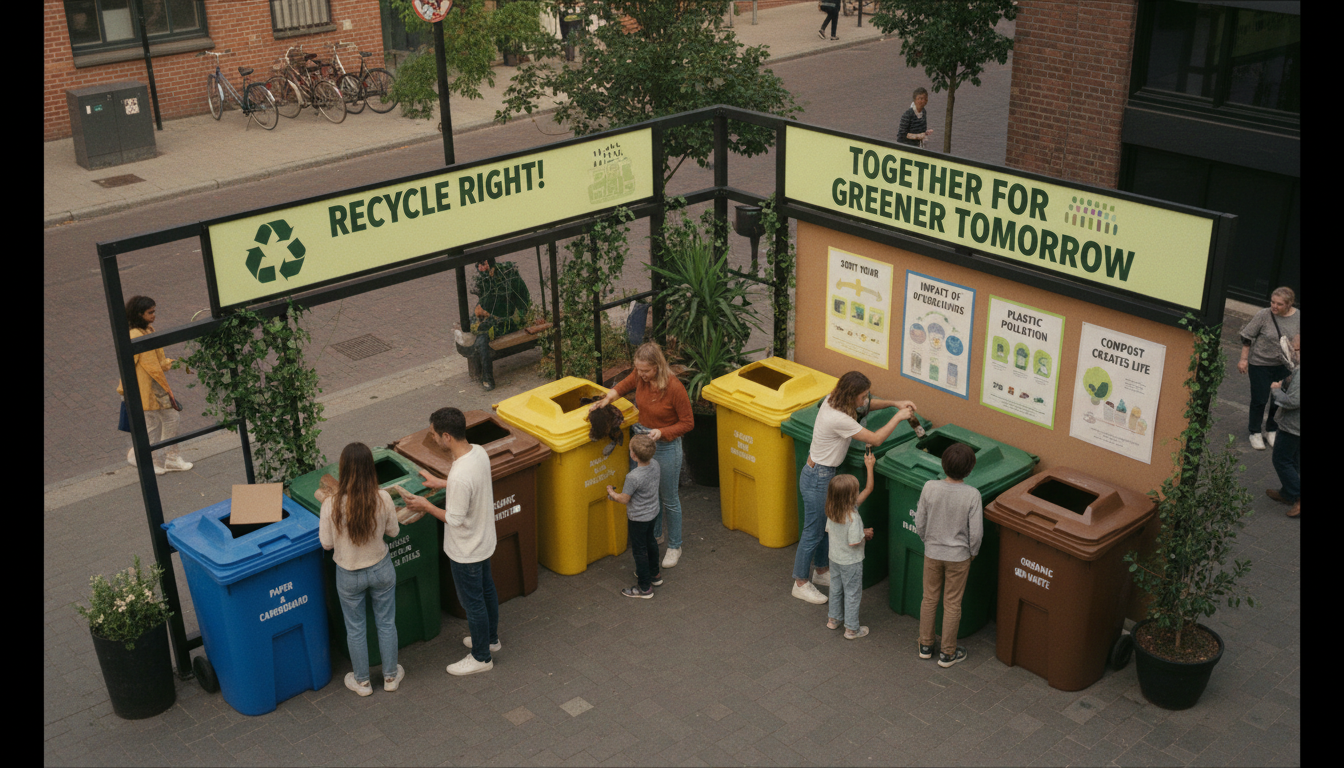
The transformation had a profound impact on the community. Residents now enjoy a rejuvenated space that supports both recreation and environmental learning. The park has become a model for sustainability, attracting visitors from neighboring areas.
Since the project's completion, local wildlife has thrived, with increased sightings of birds and pollinators. The park's popularity has also boosted local businesses, as more visitors frequent the area, benefiting the community economically.
Conclusion
Ecoscape's transformation of the local community park showcases the potential of sustainable design to revitalize public spaces. By integrating eco-friendly practices and community collaboration, they have set a standard for future projects. This case study highlights the importance of investing in our environments to create spaces that are both beautiful and sustainable.
As communities continue to seek ways to balance development with environmental responsibility, Ecoscape's approach offers a blueprint for success, demonstrating that sustainable practices can lead to thriving, vibrant public spaces.