Case Study: Transforming a Pretoria Garden into an Eco-Friendly Oasis
Transforming a traditional garden into an eco-friendly oasis is not only beneficial for the environment but also enhances the beauty and functionality of the space. In Pretoria, one such transformation showcases the incredible potential of eco-friendly landscaping.
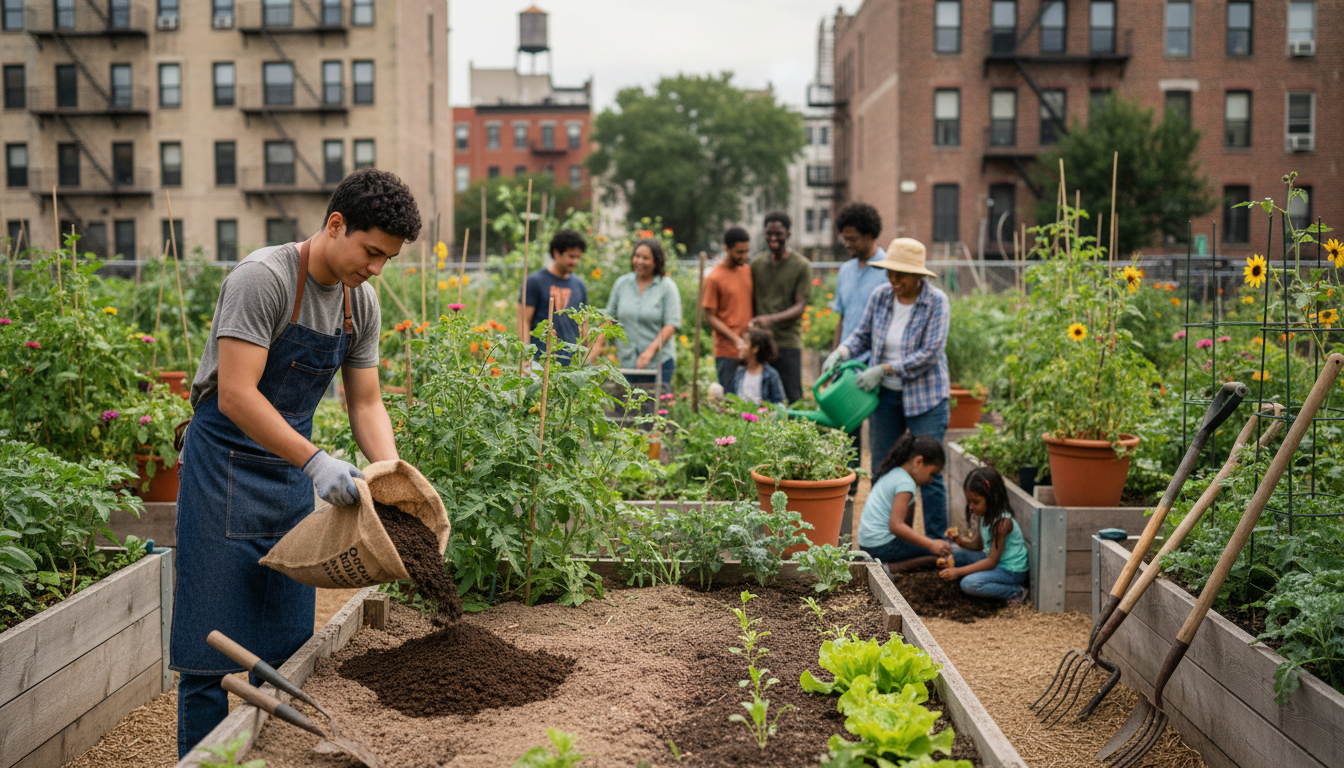
Initial Assessment and Planning
The first step in this transformation was a thorough assessment of the existing garden. The team identified areas that could be optimized for sustainability. Soil quality, water usage, and native plant potential were evaluated to establish a solid foundation for change.
Creating a comprehensive plan was essential. This involved selecting native plants that thrive in Pretoria's climate, ensuring reduced water needs and increased resilience against pests. The planning phase also included the integration of sustainable materials for pathways and structures.
Water Conservation Strategies
Water conservation is a critical component of an eco-friendly garden. The project incorporated several innovative strategies:
- Installation of a rainwater harvesting system to utilize natural rainfall.
- Implementation of drip irrigation to minimize water waste.
- Use of mulch to retain soil moisture and reduce evaporation.

Plant Selection and Biodiversity
Choosing the right plants is key to promoting biodiversity. The garden now features a mix of indigenous plants that support the local ecosystem. These plants provide habitat and food for birds, bees, and other pollinators, enhancing the garden's ecological value.
By prioritizing biodiversity, the garden not only becomes self-sustaining but also contributes to the overall health of the environment. Incorporating a variety of plant species ensures year-round beauty and interest.
Sustainable Materials and Design
Incorporating sustainable materials was another priority. The pathways were constructed using recycled materials, and garden furniture was sourced from eco-conscious suppliers. This approach minimized the carbon footprint of the transformation.
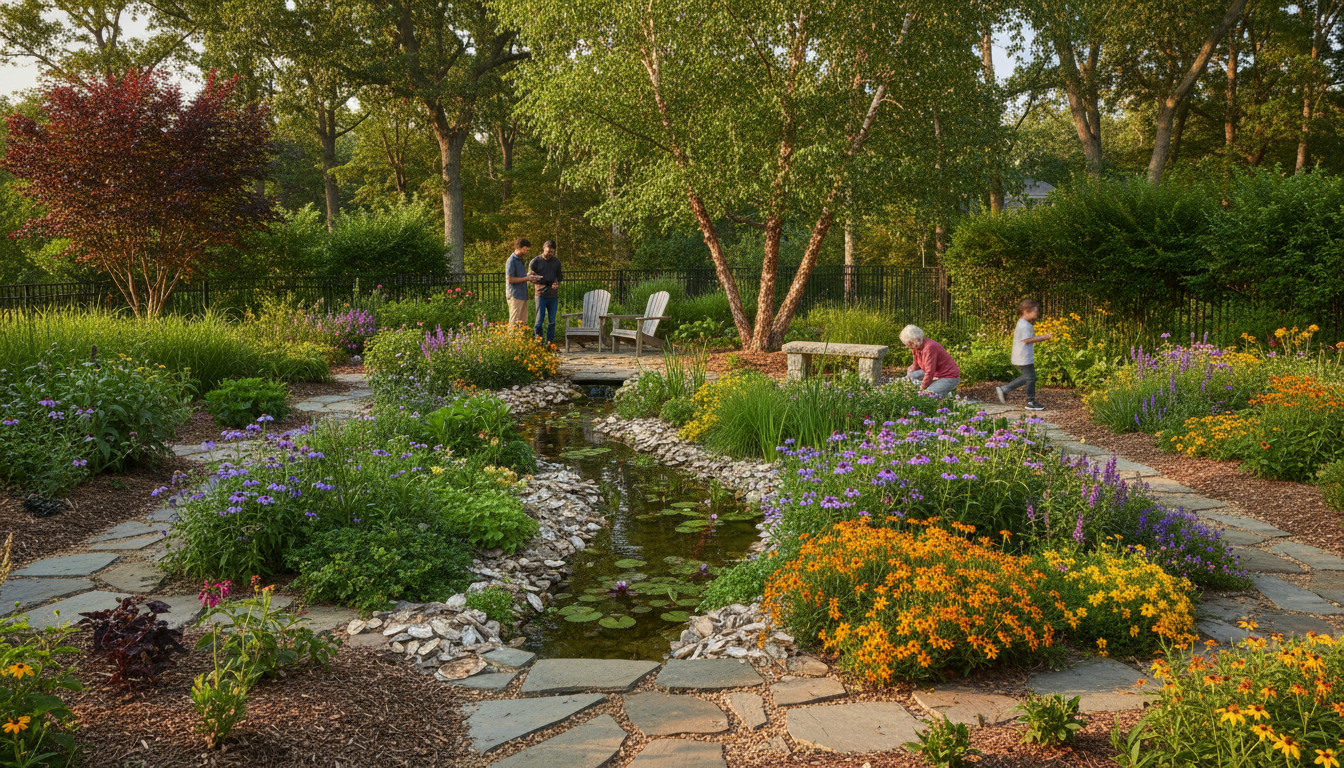
The design also focused on creating multiple zones within the garden, each serving a specific purpose. These included areas for relaxation, vegetable gardening, and spaces designed to attract wildlife.
Community Involvement and Education
The transformation was not just about changing the garden but also about engaging the community. Workshops and tours were organized to educate residents on sustainable gardening practices. This initiative aimed to inspire others to adopt eco-friendly practices in their own gardens.
By involving the community, the project fostered a sense of shared responsibility and encouraged the spread of sustainable practices throughout the neighborhood.
Conclusion: A Model for Future Gardens
The Pretoria garden transformation serves as a model for others looking to create eco-friendly spaces. By focusing on sustainability, biodiversity, and community involvement, this project demonstrates the profound impact a garden can have on the environment and the community.
Whether you're in Pretoria or anywhere else, the principles applied in this case study can guide you in creating your own eco-friendly oasis, contributing to a healthier planet.