Common Landscaping Misconceptions Debunked by Experts
Understanding the Importance of Soil Quality
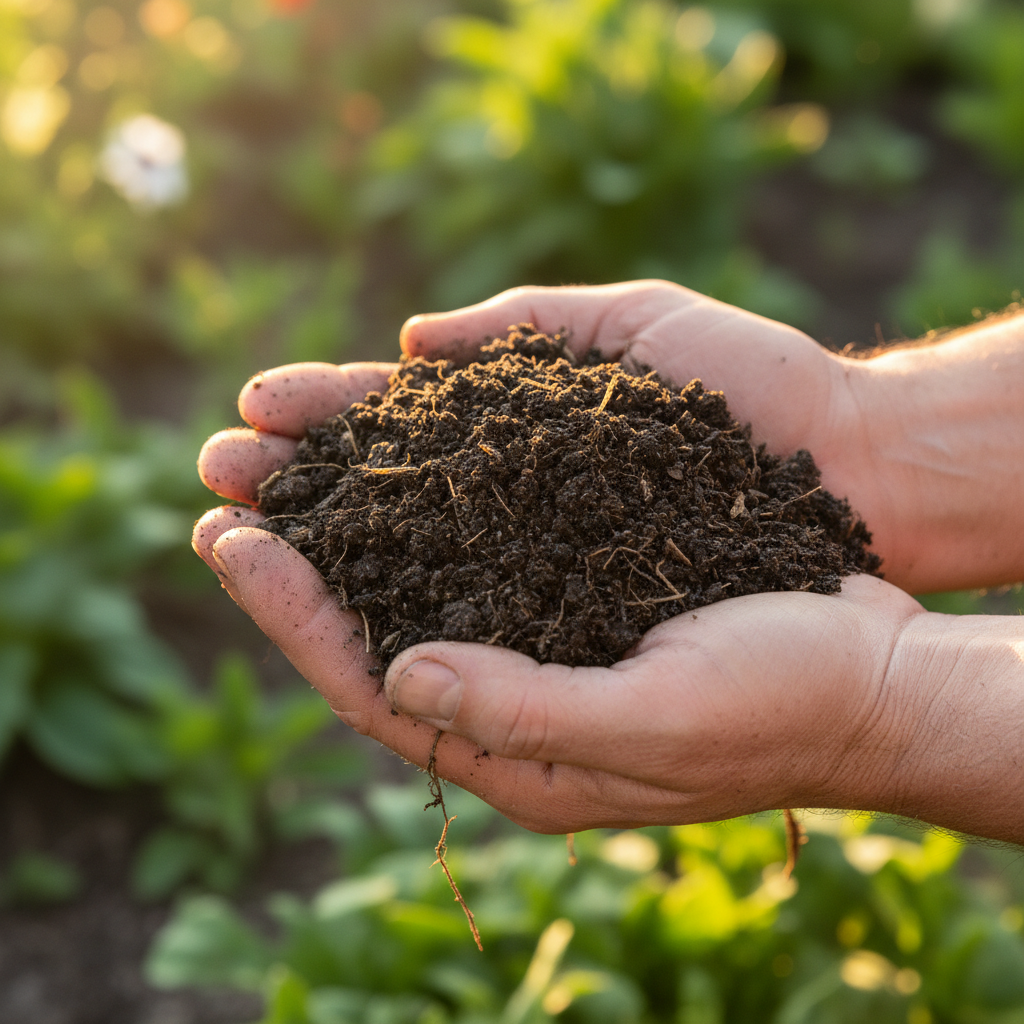
One common misconception in landscaping is that any type of soil will do. However, soil quality is fundamental to a thriving landscape. The right soil ensures that plants receive adequate nutrients, water, and aeration. It's critical to assess the soil's pH level and composition to determine if amendments, like compost or sand, are necessary.
A professional landscaper can conduct a soil test to recommend the best amendments. This step can mean the difference between a flourishing garden and one that struggles to survive.
The Myth of Low-Maintenance Lawns
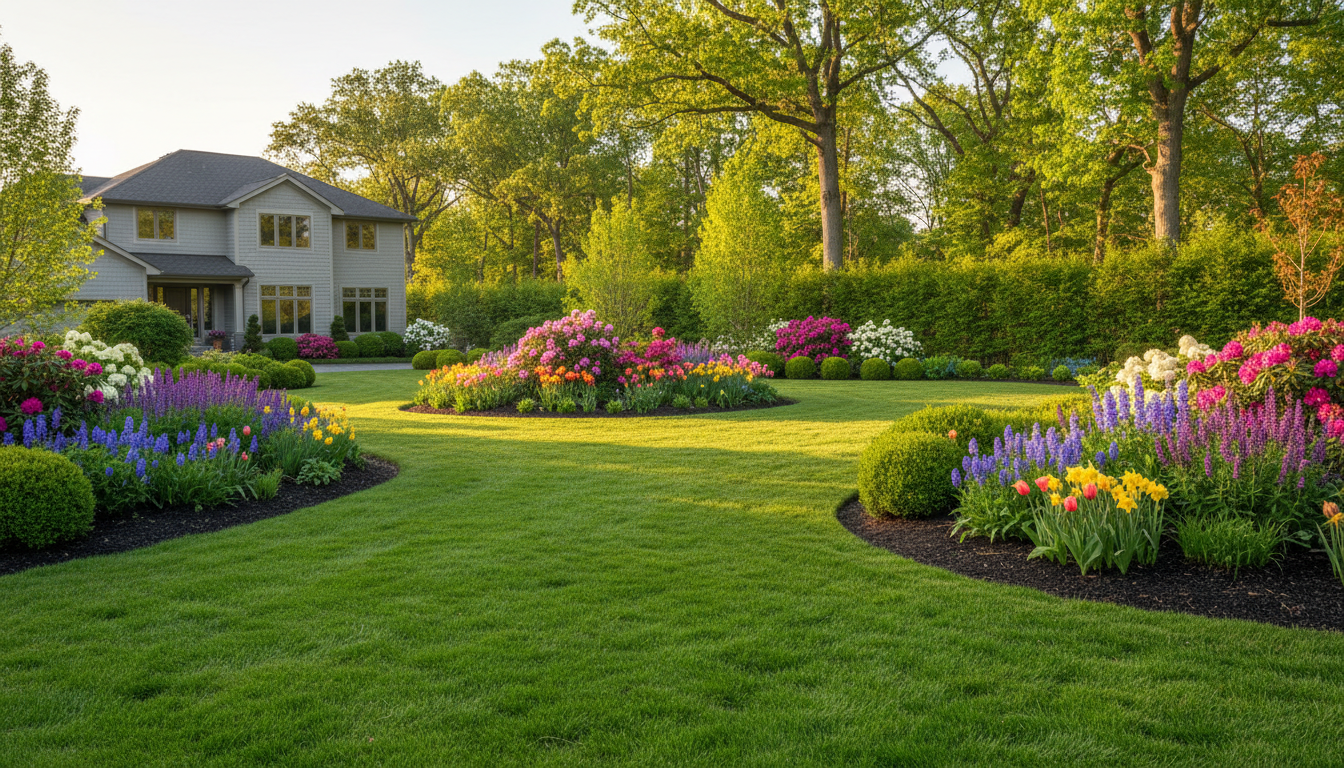
Many homeowners believe that some lawns require no maintenance whatsoever. While certain grasses are easier to care for, all lawns need regular attention. Mowing, watering, and fertilizing are essential tasks that keep a lawn healthy and lush. Neglecting these can lead to issues like overgrowth, pests, and diseases.
Moreover, seasonal changes affect lawn care needs. For instance, summer may require more frequent watering, while fall demands leaf cleanup and preparation for winter. Understanding these seasonal requirements ensures year-round lawn health.
Misconceptions About Native Plants
There's a belief that native plants require no care once planted. Although native plants are adapted to local conditions, they still need attention, especially during their initial growth phases. Proper watering, pruning, and pest management are crucial to their establishment.
Choosing the right native plants for your specific environment can reduce maintenance needs. However, they are not entirely self-sufficient and benefit from some level of care.

Overwatering: More Harm than Good
A common mistake is assuming that more water leads to healthier plants. Overwatering can cause root rot, attract pests, and wash away vital nutrients. It's essential to understand the watering needs of different plants and to adjust based on weather conditions.
Investing in a smart irrigation system can help monitor and optimize water usage, ensuring plants receive the right amount without wastage.
The Fallacy of Quick Fixes
Many believe that landscaping issues can be resolved quickly with a single product or treatment. However, sustainable landscaping requires a comprehensive approach. Quick fixes often lead to short-lived results and can sometimes exacerbate the problem.
Engaging with landscaping experts can provide long-term solutions that address the root causes of issues, ensuring a healthy and sustainable landscape.
Rocks and Mulch: Not Just Decorative
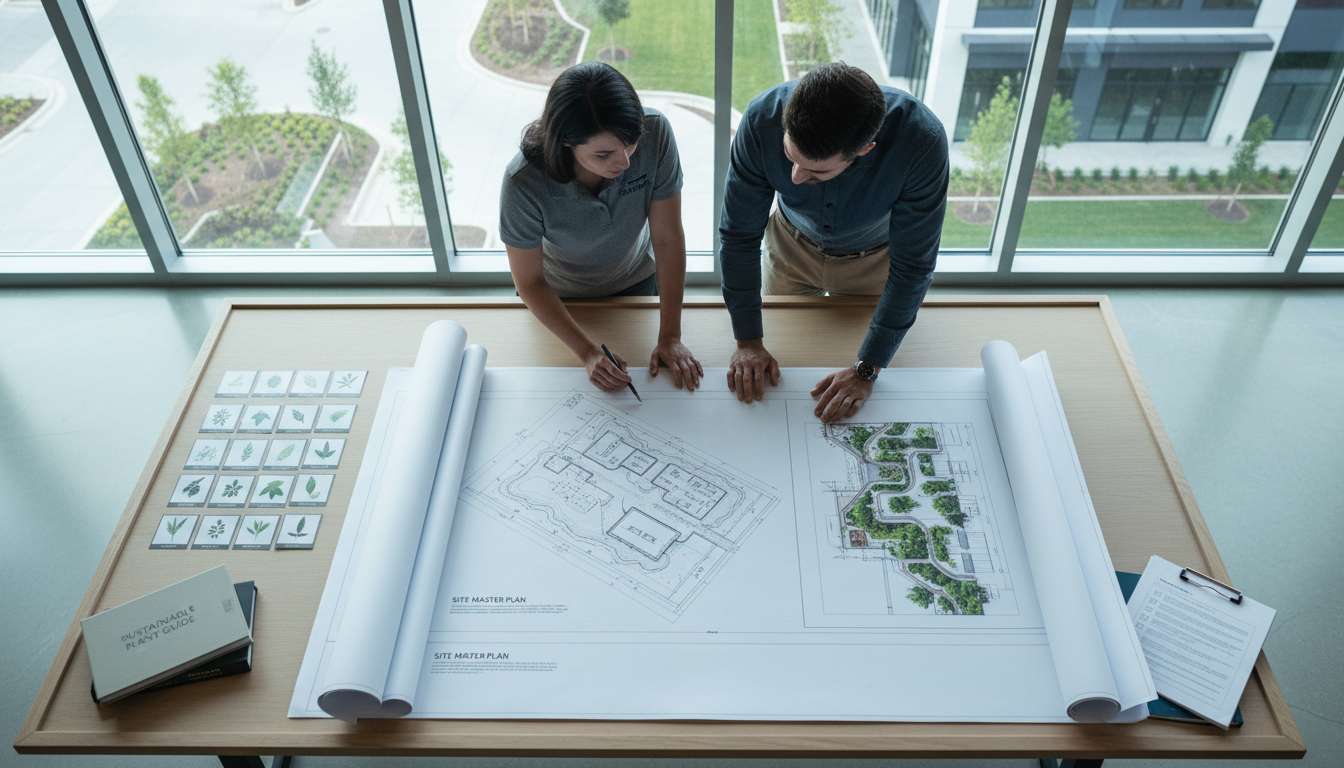
Rocks and mulch are often seen as purely decorative elements. In reality, they play a vital role in moisture retention, erosion control, and temperature regulation for plants. Choosing the right type and quantity is crucial for maximizing their benefits.
Consulting with a landscaping professional can help determine the best materials and placement for your specific garden needs.