Common Landscaping Mistakes to Avoid: Expert Tips from Ecoscape
Understanding Soil and Plant Compatibility
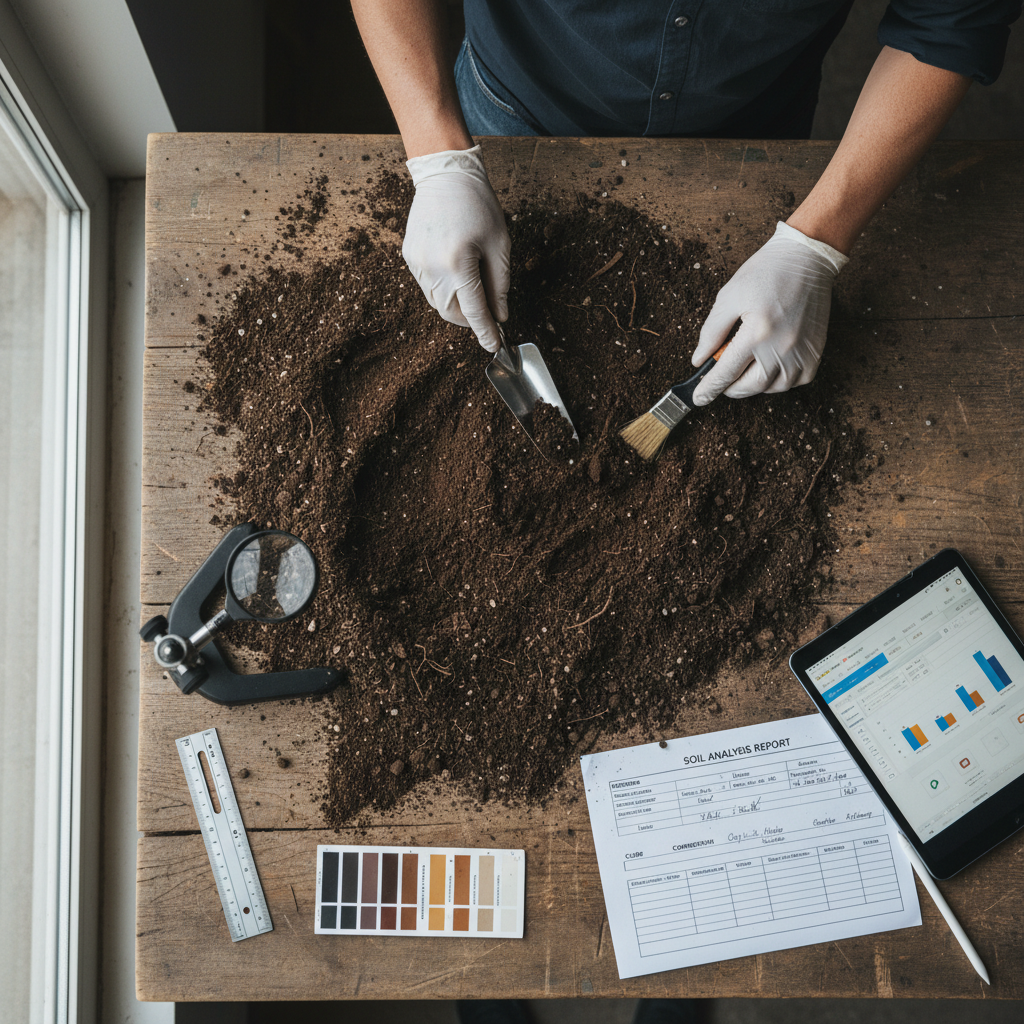
One of the most common mistakes in landscaping is neglecting to consider the compatibility between soil and plants. The type of soil in your yard can significantly impact plant health. Choosing plants that are not suited to your soil type can lead to poor growth and increased maintenance.
Before selecting plants, conduct a soil test to determine its pH level and nutrient content. This will help you choose plants that will thrive in your specific conditions. Remember, a healthy foundation is crucial for a flourishing garden.
Overlooking Proper Plant Placement
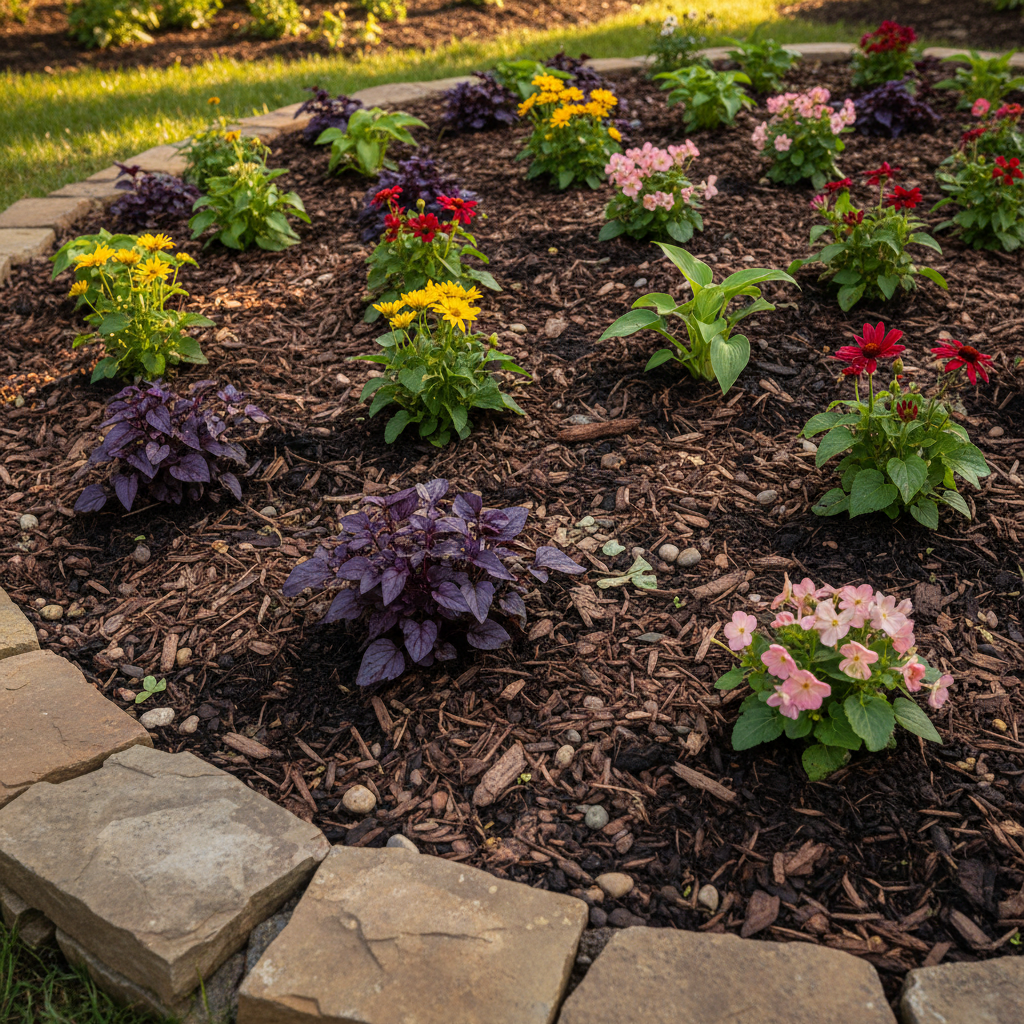
Another frequent mistake is improper plant placement. Each plant has specific light, water, and space requirements. Placing a shade-loving plant in direct sunlight or crowding plants too closely can cause them to struggle.
Consider the mature size of plants when planning your layout. This foresight will prevent overcrowding and ensure that each plant has enough space to grow naturally.
Ignoring Maintenance Needs
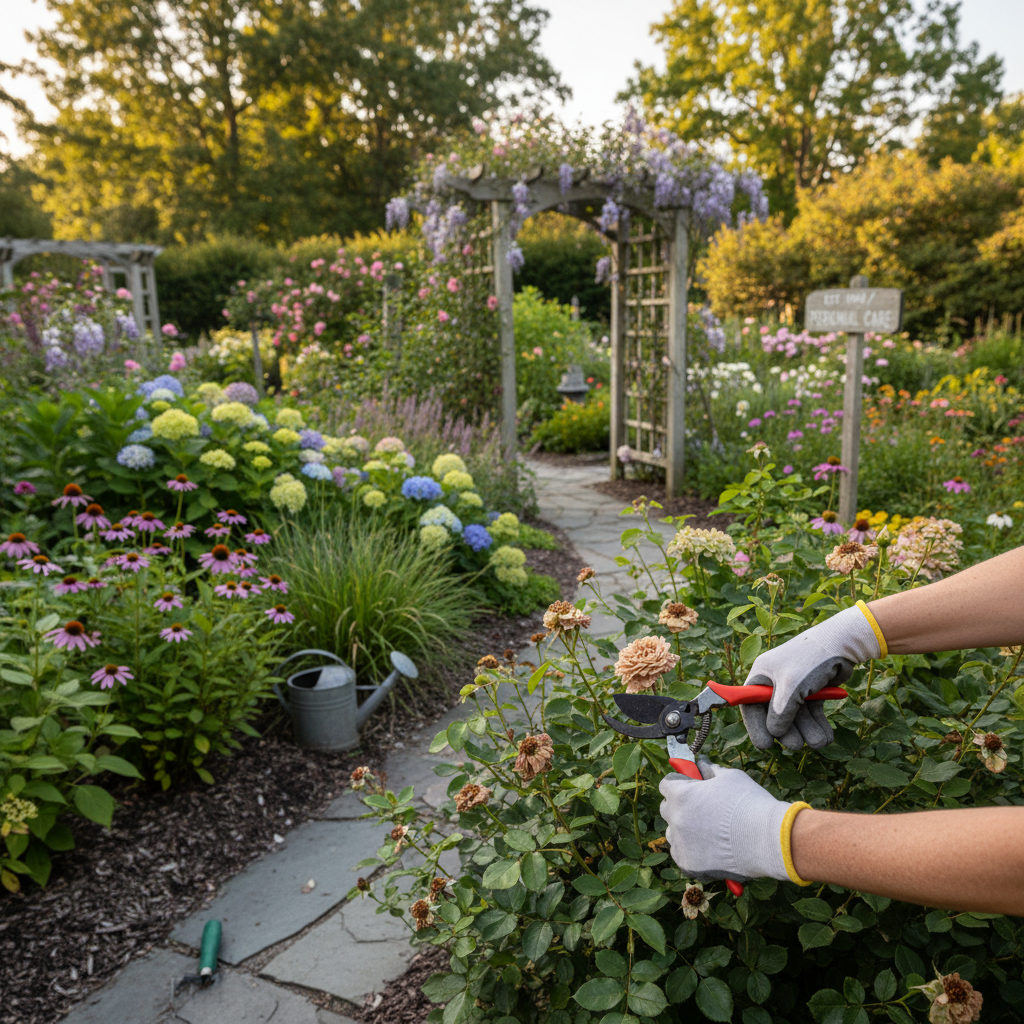
Landscaping is not a one-time job; it requires ongoing maintenance. Ignoring the maintenance needs of your landscape can lead to overgrown plants and an untidy appearance. Regular tasks include pruning, weeding, and mulching.
Develop a maintenance schedule to keep your landscape looking its best throughout the year. Consistency is key to a thriving garden.
Neglecting Water Management
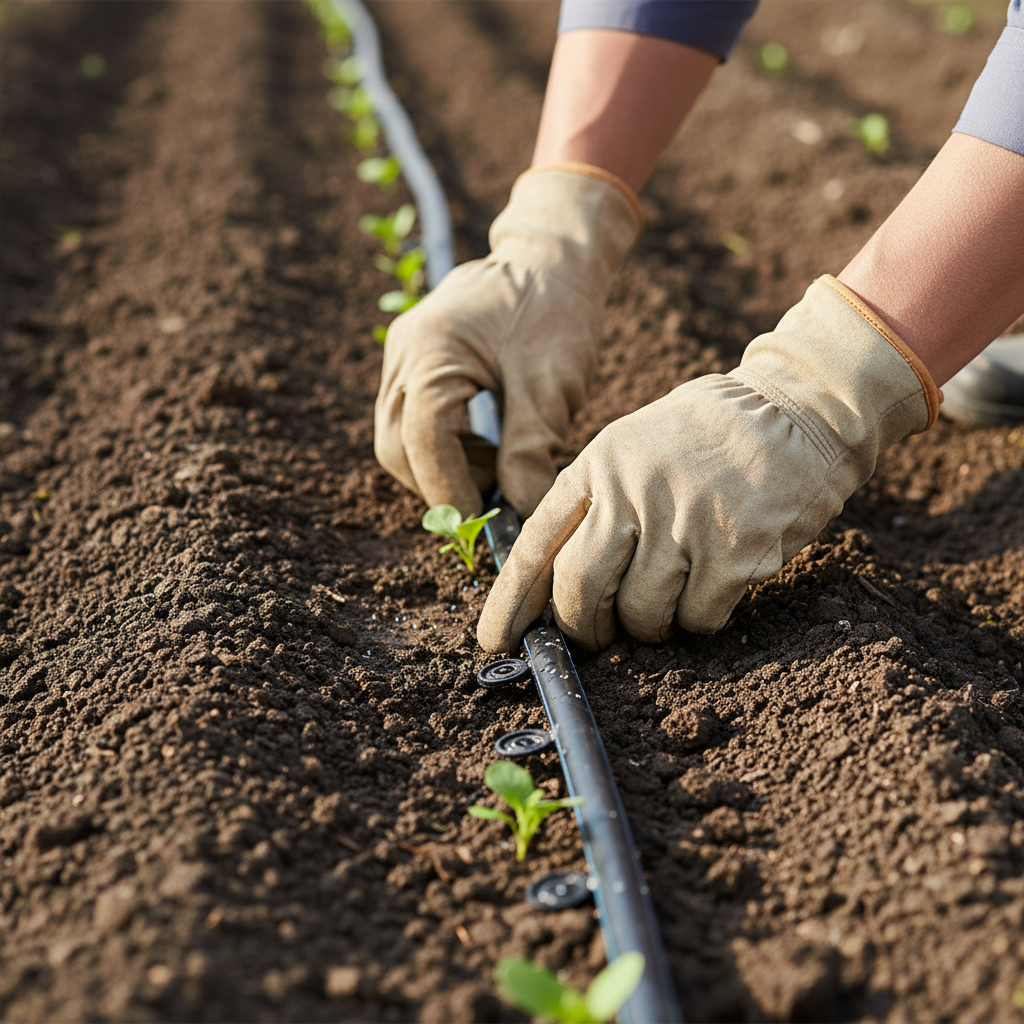
Proper water management is essential for a successful landscape. Overwatering can lead to root rot, while underwatering can cause plants to wither. It's important to understand the water needs of each plant and adjust your watering schedule accordingly.
- Install a drip irrigation system for efficient water use.
- Mulch around plants to retain moisture.
- Group plants with similar water needs together.
Choosing the Wrong Plants
Selecting the wrong plants for your climate is a common oversight. Plants that are not suited to your local environment may require more resources and care to survive. Research native plants that are well-adapted to your region's climate and soil conditions.
Native plants tend to be more resilient and require less maintenance, making them an excellent choice for any landscape.
Forgetting About Seasonal Changes
Landscaping needs can change with the seasons. Failing to plan for these changes can lead to a lackluster garden during certain times of the year. Consider how your landscape will look in each season and choose plants that offer year-round interest.
Overlooking Hardscape Elements
While plants are a significant focus in landscaping, hardscape elements such as paths, patios, and walls play a crucial role in design and functionality. Neglecting these elements can result in a disjointed landscape.
Incorporate hardscape features that complement your plants and overall design. This balance will enhance the aesthetic appeal and usability of your outdoor space.