Common Landscaping Mistakes to Avoid in South Africa
Understanding the Climate
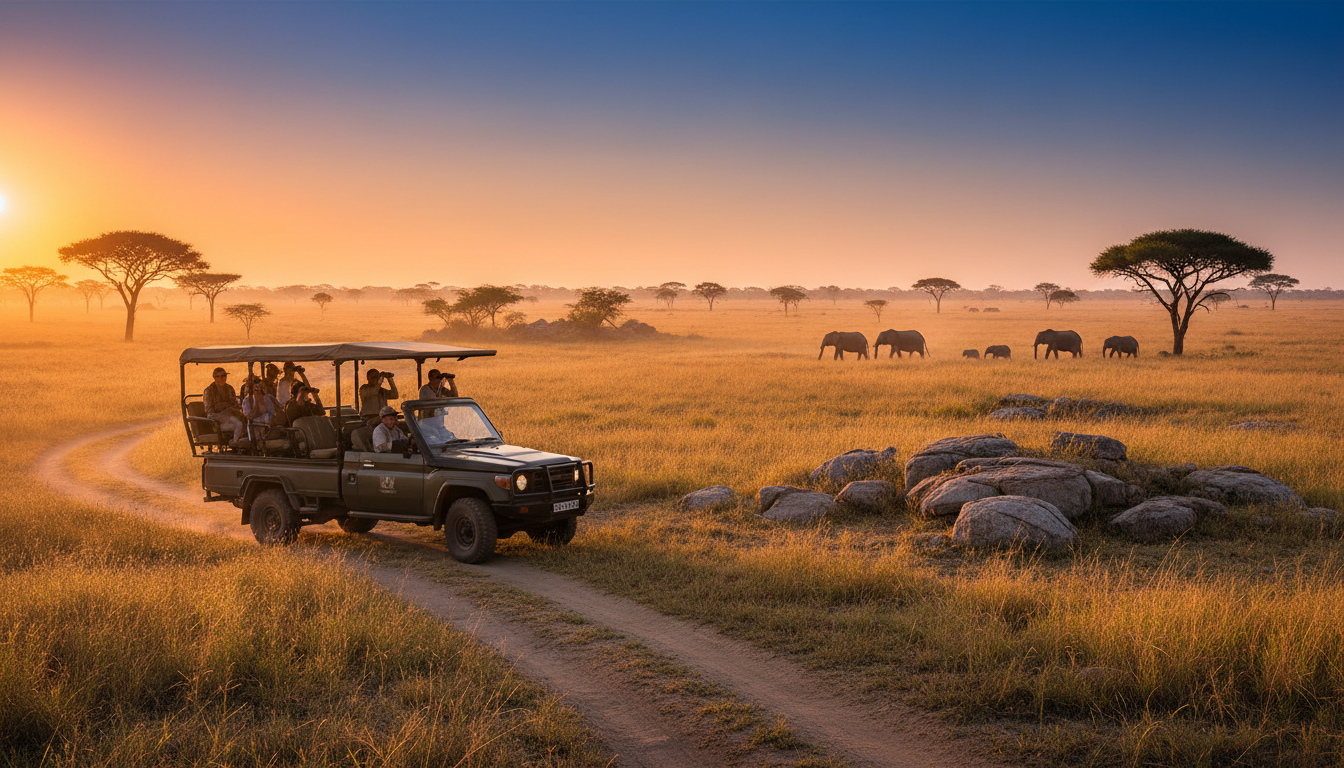
South Africa's diverse climate zones require careful consideration when planning your landscaping. From the Mediterranean climate of the Western Cape to the subtropical regions of KwaZulu-Natal, understanding your specific climate is crucial. The failure to consider local weather patterns can lead to unsuitable plant choices and wasted resources.
Ignoring Indigenous Plants
One common mistake is overlooking the use of indigenous plants. These plants are naturally adapted to local conditions and require less water and maintenance. Indigenous plants also support local wildlife, enhancing biodiversity in your garden.
To make the most of indigenous plants, research which varieties thrive in your area. This not only saves water but also ensures a robust and thriving garden.
Overlooking Soil Preparation
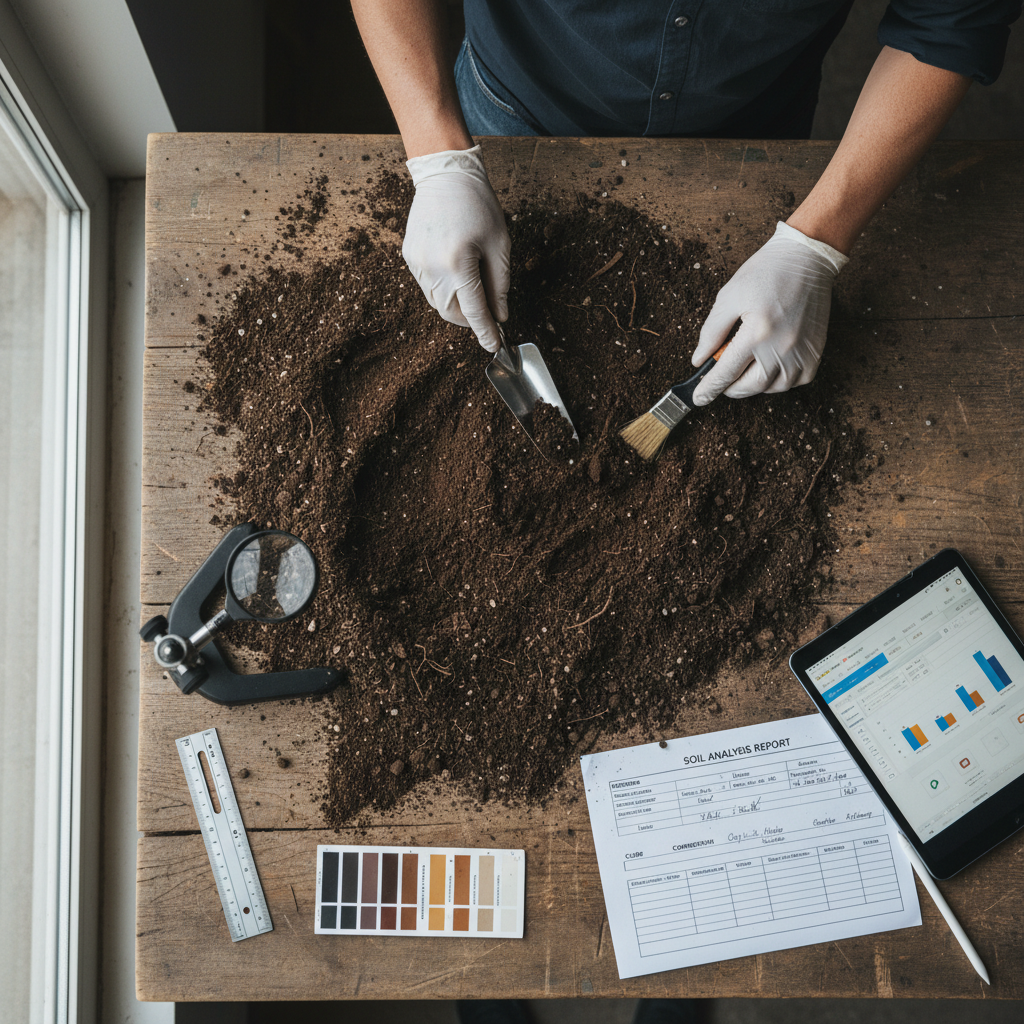
The importance of proper soil preparation cannot be overstated. South African soils can vary greatly, from sandy to clay-heavy. Neglecting to test and amend your soil can lead to poor plant growth and unhealthy gardens. Soil testing kits are widely available and can provide valuable information on pH levels and nutrient content.
Improper Watering Techniques
Watering is a critical aspect of landscaping, especially in drought-prone areas. Overwatering is a common mistake and can lead to root rot and other plant diseases. Conversely, underwatering can cause stress and wilting.
Implementing efficient watering systems, such as drip irrigation, can help conserve water while ensuring your plants receive the moisture they need. It's also wise to water during the cooler parts of the day to minimize evaporation.
Neglecting Seasonal Changes
South Africa experiences distinct seasons, and failing to adapt your landscaping practices accordingly can be detrimental. Seasonal changes affect plant growth and maintenance needs, so it's essential to plan and adjust your gardening practices throughout the year.
Poor Garden Design
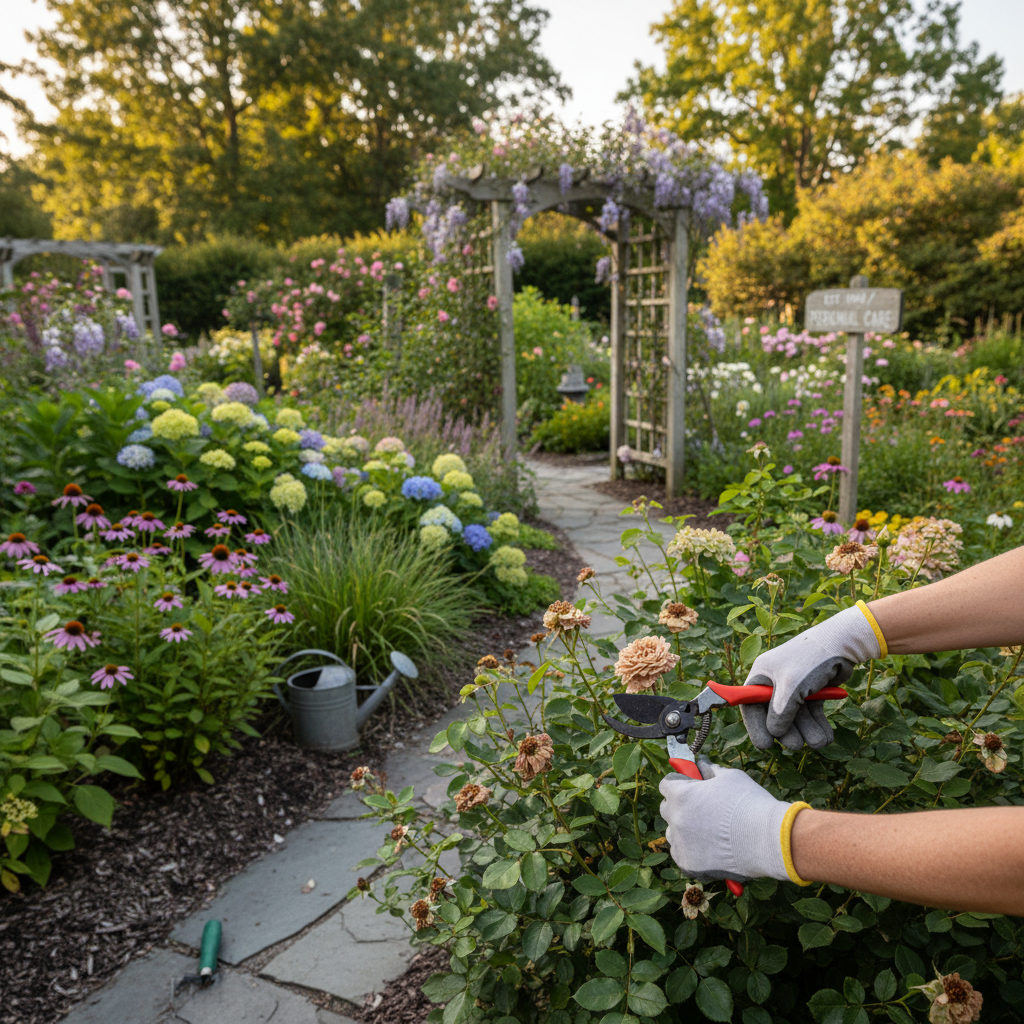
A well-thought-out garden design considers both aesthetics and functionality. Avoid overcrowding plants, which can lead to competition for resources and an untidy appearance. Instead, focus on creating a balanced layout that allows each plant to thrive.
Consider the mature size of plants and how they will interact with each other over time. This foresight can prevent the need for costly redesigns in the future.
Conclusion
Avoiding these common landscaping mistakes can lead to a more beautiful and sustainable garden. By understanding the climate, choosing indigenous plants, preparing the soil, using proper watering techniques, and embracing seasonal changes, you can create a thriving outdoor space in South Africa.
Remember, thoughtful planning and ongoing care are the keys to successful landscaping. By taking the time to understand and address these common pitfalls, your garden will not only flourish but also contribute positively to the local environment.