Common Landscaping Myths Debunked by the Pros
Understanding Landscaping Myths
When it comes to landscaping, there's no shortage of advice, tips, and tricks that homeowners encounter. However, not all of this information is accurate. In fact, many landscaping myths can lead to misguided decisions and unnecessary expenses. In this post, we’ll debunk some of the most common myths with insights from the pros.
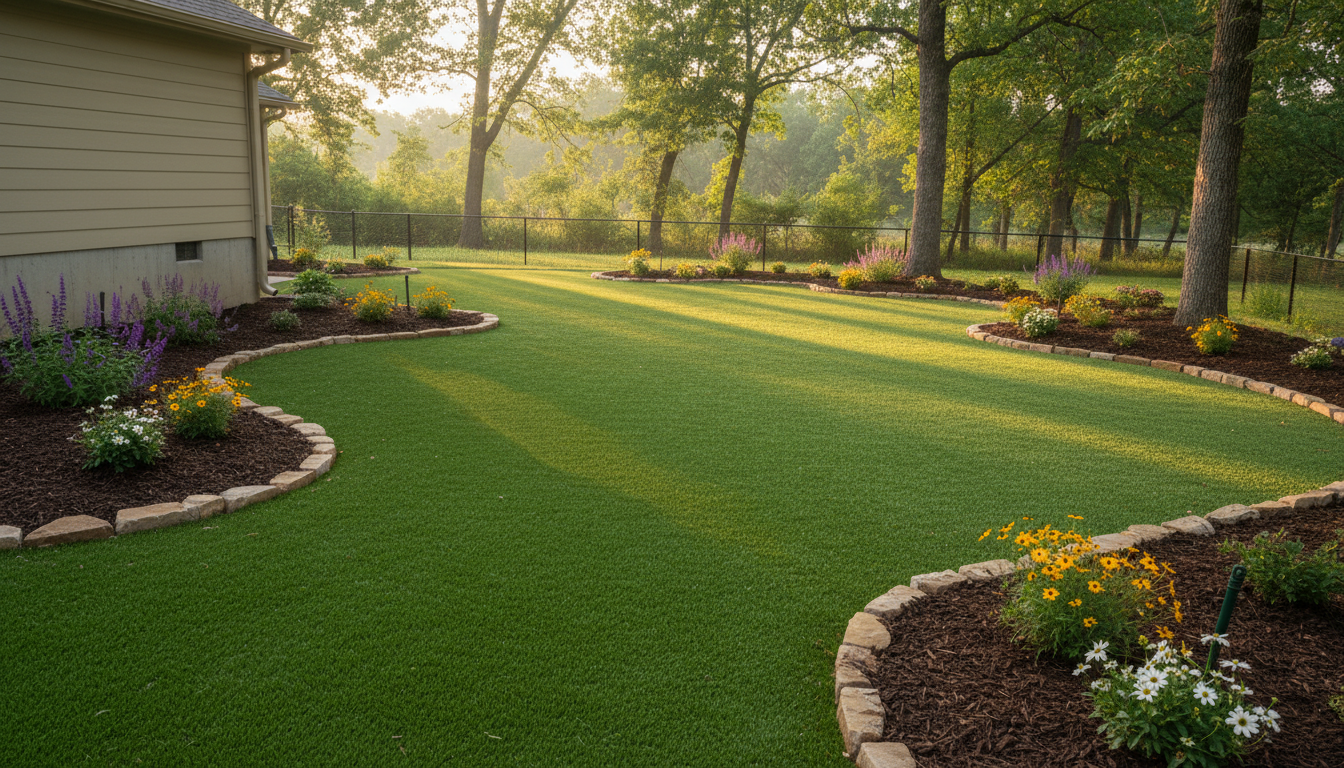
Myth 1: More Water Equals a Healthier Garden
One of the most prevalent myths is that watering your garden more frequently will lead to healthier plants. In reality, overwatering can be just as harmful as underwatering. It can lead to root rot and other diseases. The key is to water deeply but less often, encouraging roots to grow deeper into the soil.
Experts recommend watering early in the morning or late in the afternoon to minimize evaporation. It’s also essential to consider the specific watering needs of different plants in your garden.
Myth 2: All Plants Need Fertilizer
Another widespread belief is that all plants require regular fertilization. While it’s true that some plants benefit from added nutrients, many native species thrive without any extra help. Over-fertilizing can lead to nutrient imbalances and harm the soil ecosystem.

Before applying fertilizer, it’s crucial to conduct a soil test to understand what nutrients your garden may lack. This ensures that you are providing the necessary support without overwhelming your plants.
Myth 3: Mowing Your Lawn Shorter is Better
Many homeowners believe that cutting their grass shorter will reduce the frequency of mowing. However, mowing too short can stress the lawn, making it more susceptible to weeds and drought. A general rule is to never cut more than one-third of the grass blade’s length.
Maintaining a slightly longer lawn keeps the soil cooler and helps retain moisture, promoting a healthier lawn overall.
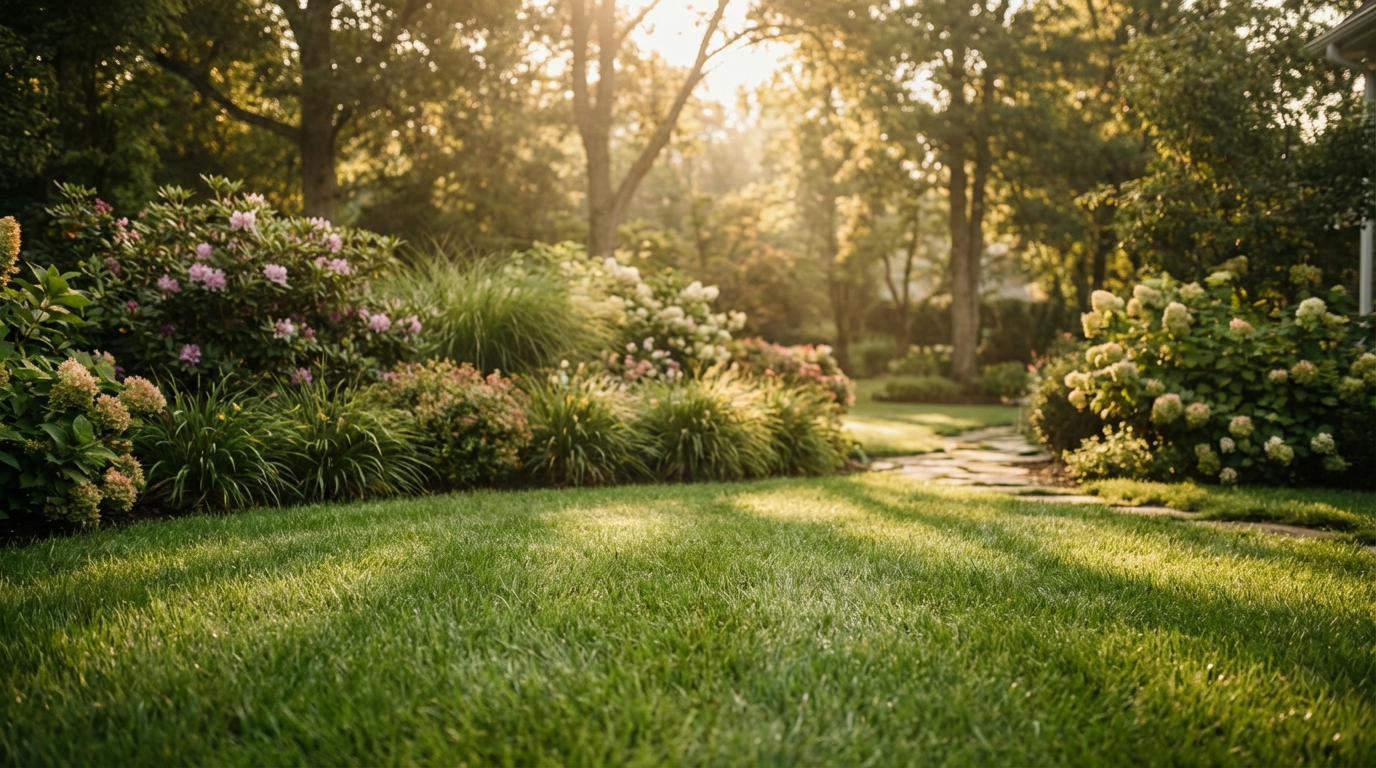
Myth 4: Landscaping is Only for Aesthetics
While a beautifully landscaped yard enhances curb appeal, it offers much more than just aesthetic benefits. Thoughtful landscaping can improve energy efficiency, reduce water usage, and even boost property value. Trees, for instance, provide shade, reducing cooling costs in summer.
Integrating native plants can support local wildlife, creating a balanced ecosystem right in your backyard.

Conclusion
Landscaping myths can lead to ineffective or even harmful practices. By debunking these common misconceptions, you can make informed decisions that will benefit your garden and the environment. Remember, consulting with landscaping professionals can provide tailored advice suited to your unique landscape.