Comparing Landscaping Materials: Which is Best for Your Project?
Understanding Your Landscaping Material Options
When planning a landscaping project, choosing the right materials can make a significant difference in both the appearance and functionality of your outdoor space. With a plethora of options available, it can be overwhelming to determine which material best suits your needs. In this guide, we'll compare some of the most popular landscaping materials to help you make an informed decision.
Natural Stone
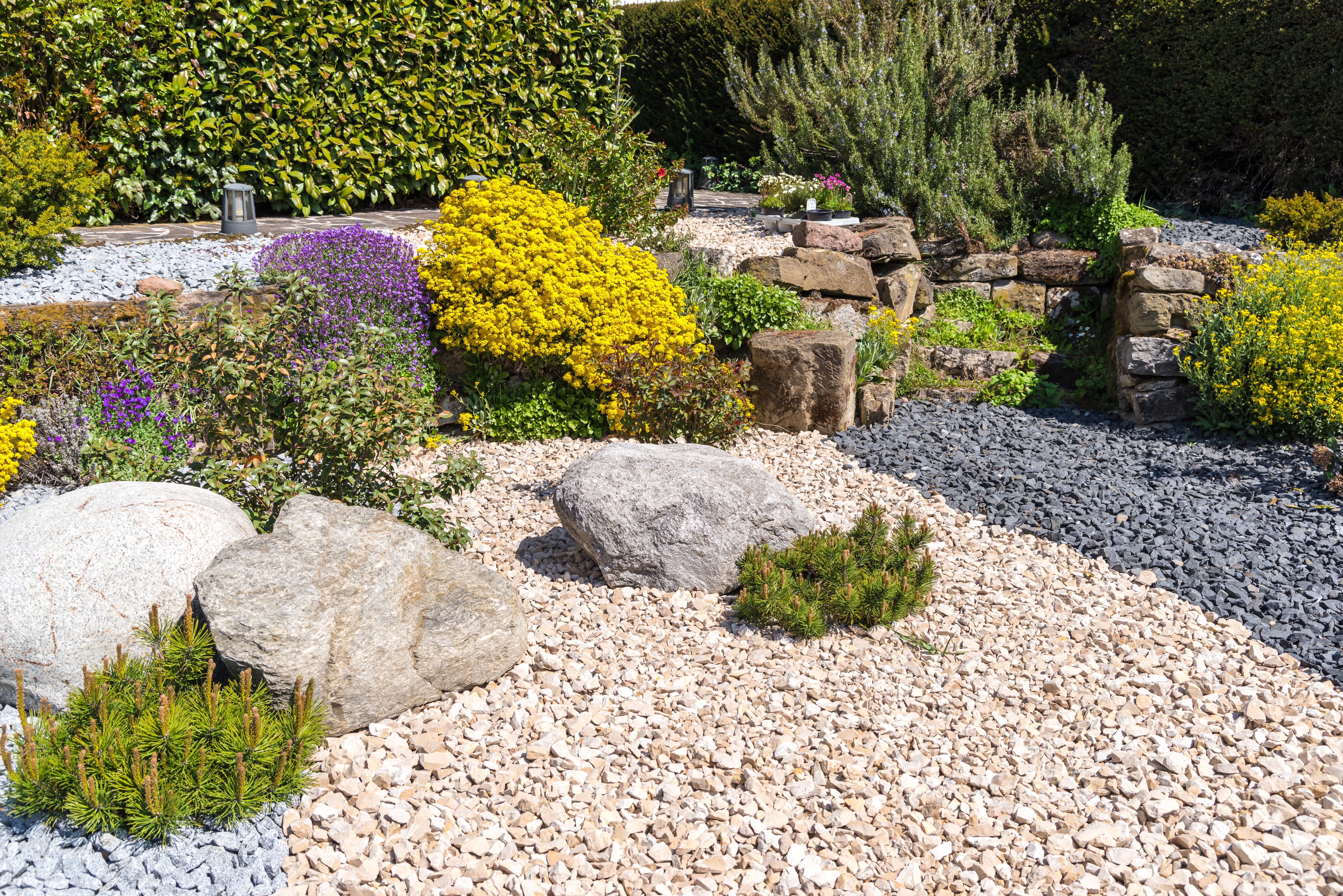
Natural stone is a timeless choice that offers both durability and aesthetic appeal. It comes in various forms such as flagstone, slate, and granite, providing diverse textures and colors. Natural stone is ideal for patios, walkways, and retaining walls due to its robust nature. However, it can be more expensive and labor-intensive to install compared to other materials.
One of the key advantages of natural stone is its ability to blend seamlessly with natural surroundings. It requires minimal maintenance, but keep in mind that certain types of stone may be slippery when wet, posing a safety risk.
Concrete
Concrete is a versatile and cost-effective option for various landscaping projects. It can be molded into different shapes and patterns, allowing for creative designs. Stamped or stained concrete can mimic the appearance of more expensive materials like brick or stone, offering a budget-friendly alternative.
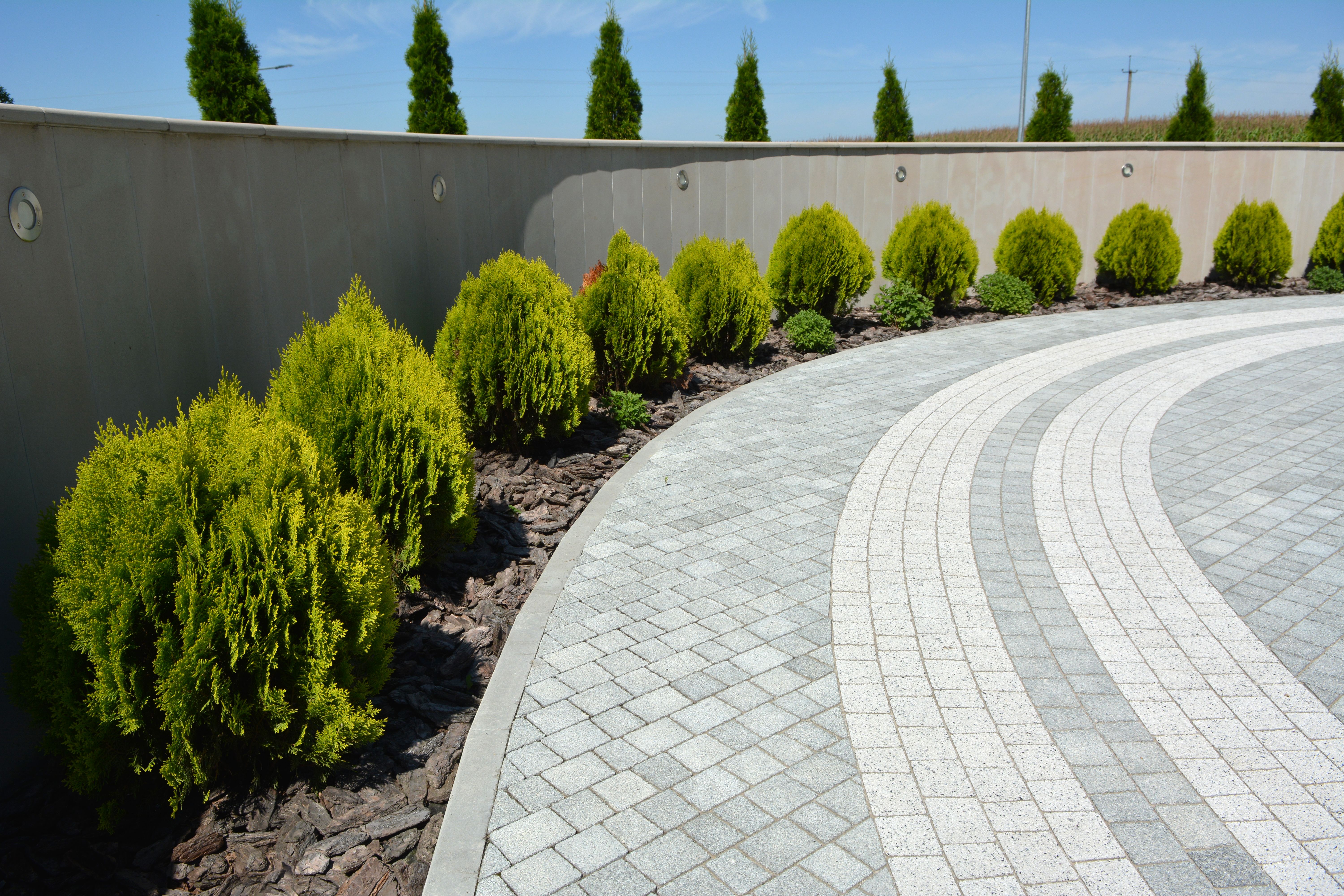
While concrete is durable, it may crack over time due to temperature changes and ground movement. Regular sealing can help prevent stains and prolong its lifespan. Concrete is particularly well-suited for driveways, pathways, and patios.
Gravel and Crushed Stone
Gravel and crushed stone are popular for their affordability and ease of installation. They provide excellent drainage, making them suitable for driveways, paths, and garden beds. These materials are available in various sizes and colors, allowing for customization.
However, gravel may require periodic replenishment and can be challenging to walk on. Installing a solid edge or border can help keep the gravel contained within the designated area.
Mulch
Mulch is a functional and attractive option primarily used in garden beds. It helps retain soil moisture, suppress weeds, and improve soil health over time. Organic mulches, such as wood chips or bark, decompose and add nutrients to the soil, making them an eco-friendly choice.
While mulch is excellent for gardens, it may not be suitable for high-traffic areas. Ensure that mulch is applied correctly to avoid issues like mold growth and insect infestation.
Artificial Turf
Artificial turf has gained popularity as a low-maintenance alternative to natural grass. It provides a lush, green appearance year-round without the need for watering, mowing, or fertilizing. This makes it a great option for areas with water restrictions or where grass struggles to grow.
Despite its benefits, artificial turf can become hot in direct sunlight and may require occasional cleaning to remove debris. It's an excellent choice for pet areas, playgrounds, and shaded yards.
Conclusion
Choosing the right landscaping material depends on your specific needs, budget, and aesthetic preferences. Whether you prioritize durability, cost, or ease of maintenance, there's a material that can enhance your outdoor space. By considering the pros and cons of each option, you can create a landscape that's both beautiful and functional.