Debunking Common Landscaping Myths: What Every Homeowner Should Know
Understanding Landscaping Myths
Landscaping can transform a home's appearance, but many homeowners fall victim to common myths that can lead to misguided decisions. It's essential to differentiate between fact and fiction to ensure your landscaping efforts are effective and sustainable.
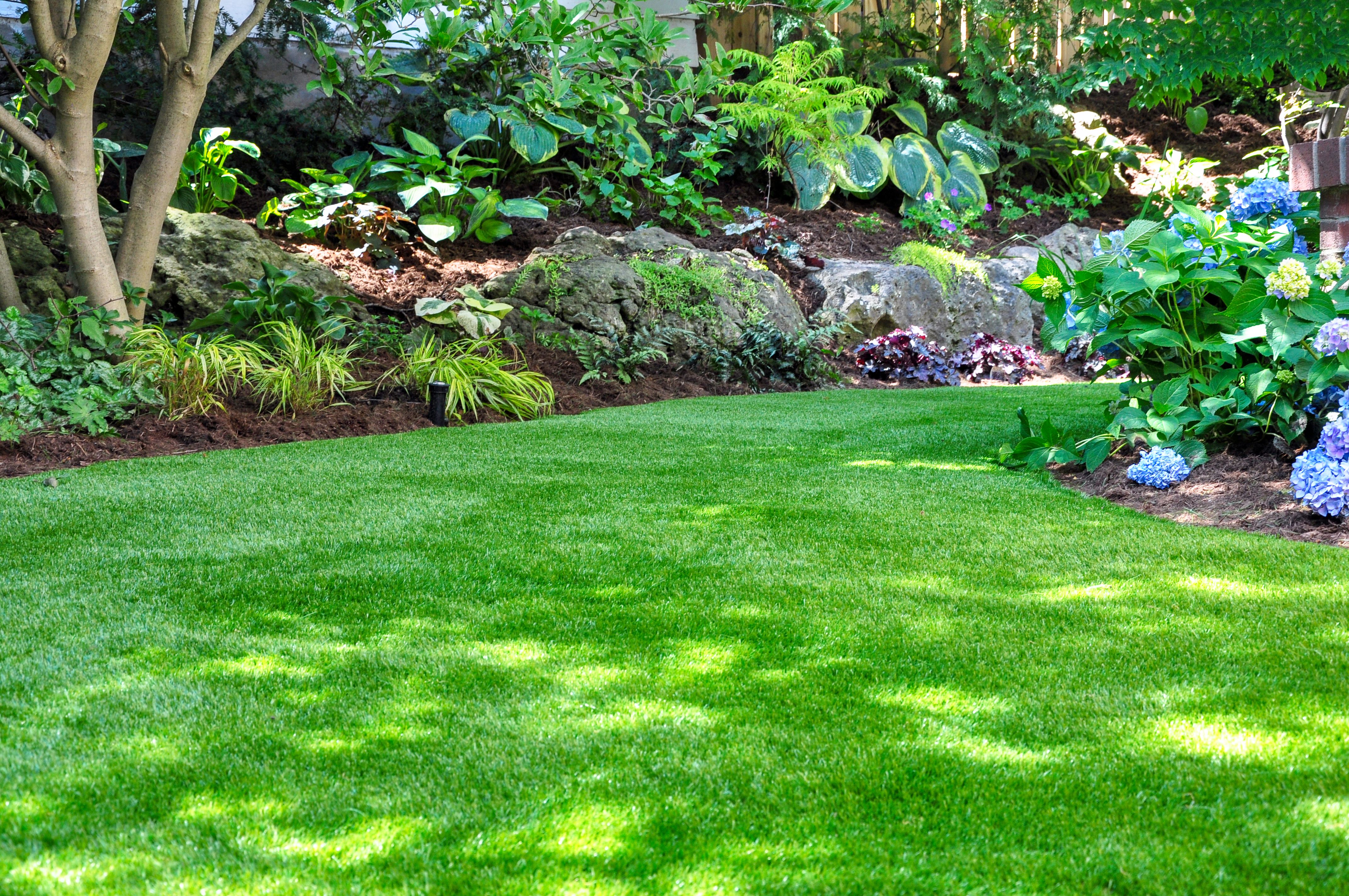
Myth 1: All Plants Require Constant Watering
One widespread belief is that all plants need daily watering to thrive. However, overwatering can be more harmful than underwatering. Most plants prefer a more balanced approach, where deep, infrequent watering encourages roots to grow deeper and become more drought-resistant.
To maintain a healthy garden, it's crucial to understand the specific needs of each plant species. Native plants, in particular, are adapted to local conditions and often require less water, making them an excellent choice for eco-friendly landscaping.
Myth 2: Landscaping is Only for Aesthetics
While aesthetics are a significant aspect of landscaping, it's not the only purpose. Thoughtful landscaping can improve energy efficiency, enhance biodiversity, and even increase property value. Strategically placed trees provide shade, reducing cooling costs during hot months.
Additionally, incorporating a variety of plants can attract pollinators and create a thriving ecosystem in your backyard. This diversity supports local wildlife and contributes to the overall health of the environment.
Myth 3: Professional Landscaping is Too Expensive
Many homeowners assume that hiring a professional landscaper is a luxury they can't afford. However, professional input can save money in the long run by preventing costly mistakes and ensuring that the landscaping is done correctly the first time.
- Professionals offer valuable insights into plant selection and placement.
- They can design efficient irrigation systems to conserve water.
- Expertise in soil management can lead to healthier plant growth.
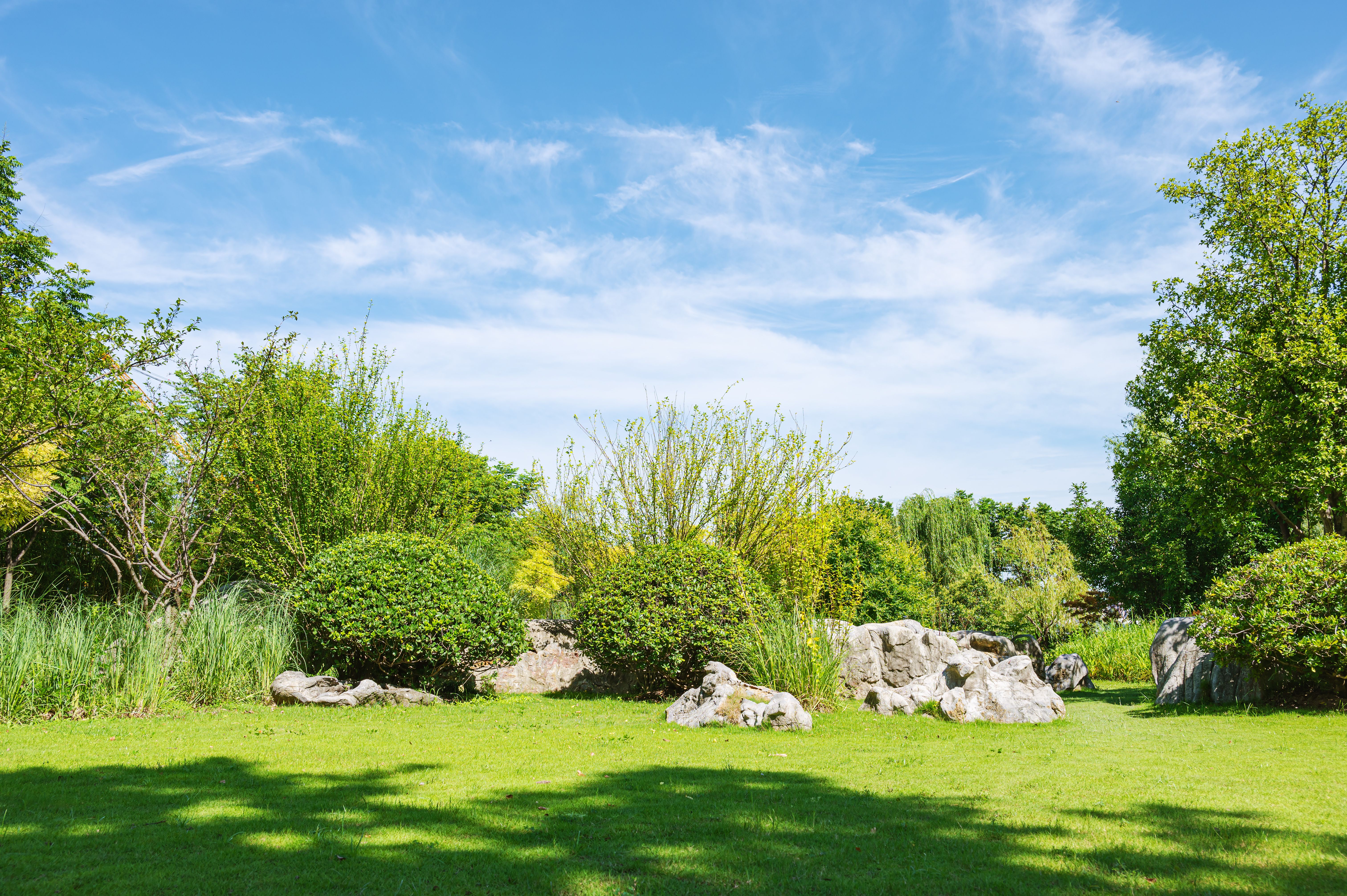
Myth 4: Grass is the Only Ground Cover Option
Grass lawns are a traditional choice, but they're not the only option for ground cover. Alternatives like clover, moss, or creeping thyme can reduce maintenance and water usage. These options often require less mowing and fertilizing while providing lush, green coverage.
Exploring different ground covers can also introduce unique textures and colors to your landscape, making your outdoor space more visually appealing and environmentally friendly.
Conclusion
Debunking these common landscaping myths is crucial for creating a sustainable and beautiful outdoor space. By understanding the true needs of your garden and the benefits of professional landscaping, you can make informed decisions that enhance both the appearance and functionality of your home.