Eco-Friendly Landscaping Solutions for South African Gardens
Introduction to Eco-Friendly Landscaping
In South Africa, where diverse climates and rich biodiversity abound, incorporating eco-friendly landscaping solutions can significantly benefit both the environment and garden enthusiasts. By adopting sustainable practices, gardens can thrive while conserving resources and promoting local ecosystems.
Choose Indigenous Plants
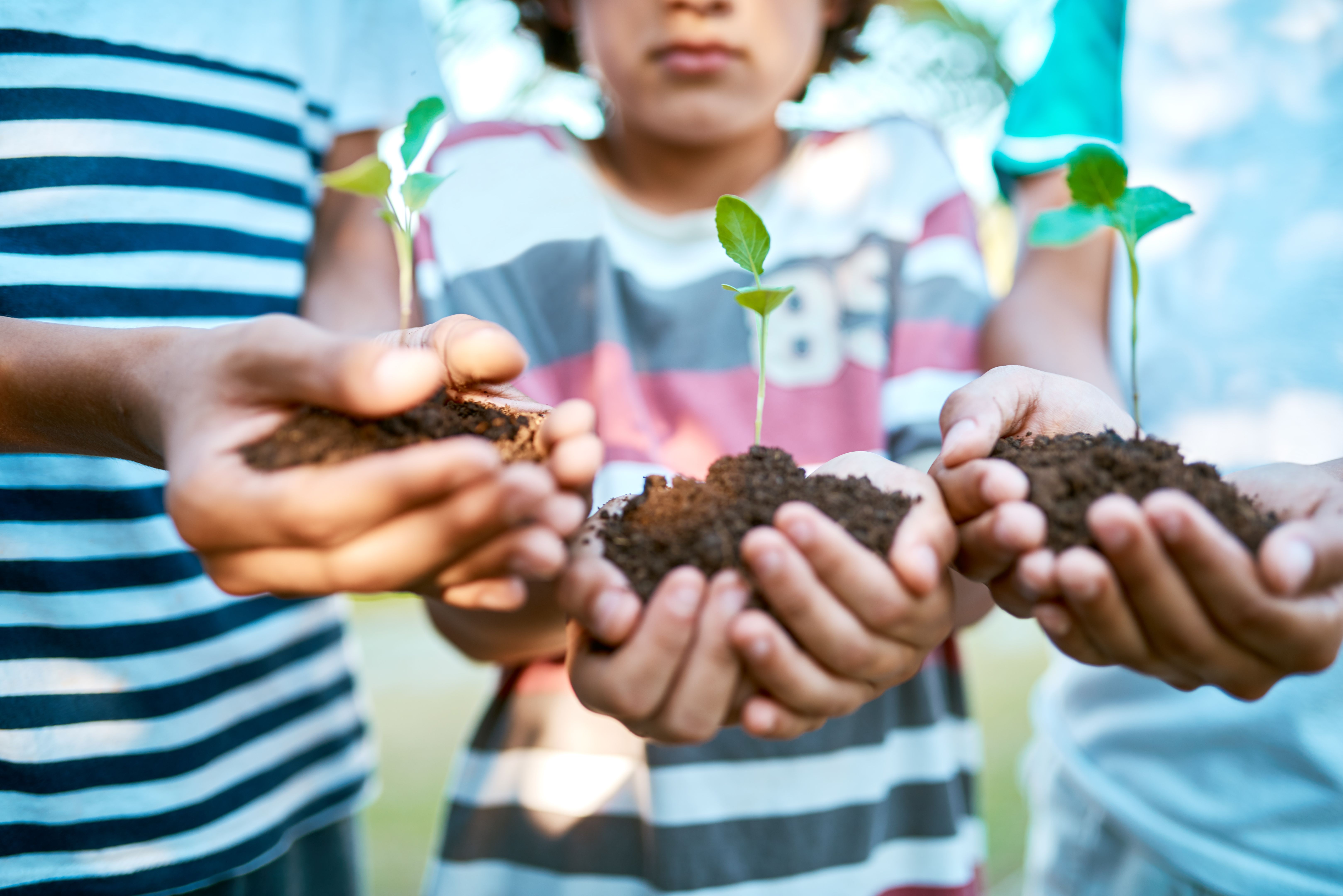
One of the most effective ways to create an eco-friendly garden is by selecting indigenous plants. These species are naturally adapted to the local climate, requiring less water and maintenance. Indigenous plants also support local wildlife, providing food and shelter for birds, insects, and other creatures.
Some popular indigenous options include the vibrant Strelitzia (Bird of Paradise) and the hardy Aloe varieties. These plants not only add beauty but also ensure a thriving garden ecosystem.
Water-Wise Gardening Techniques
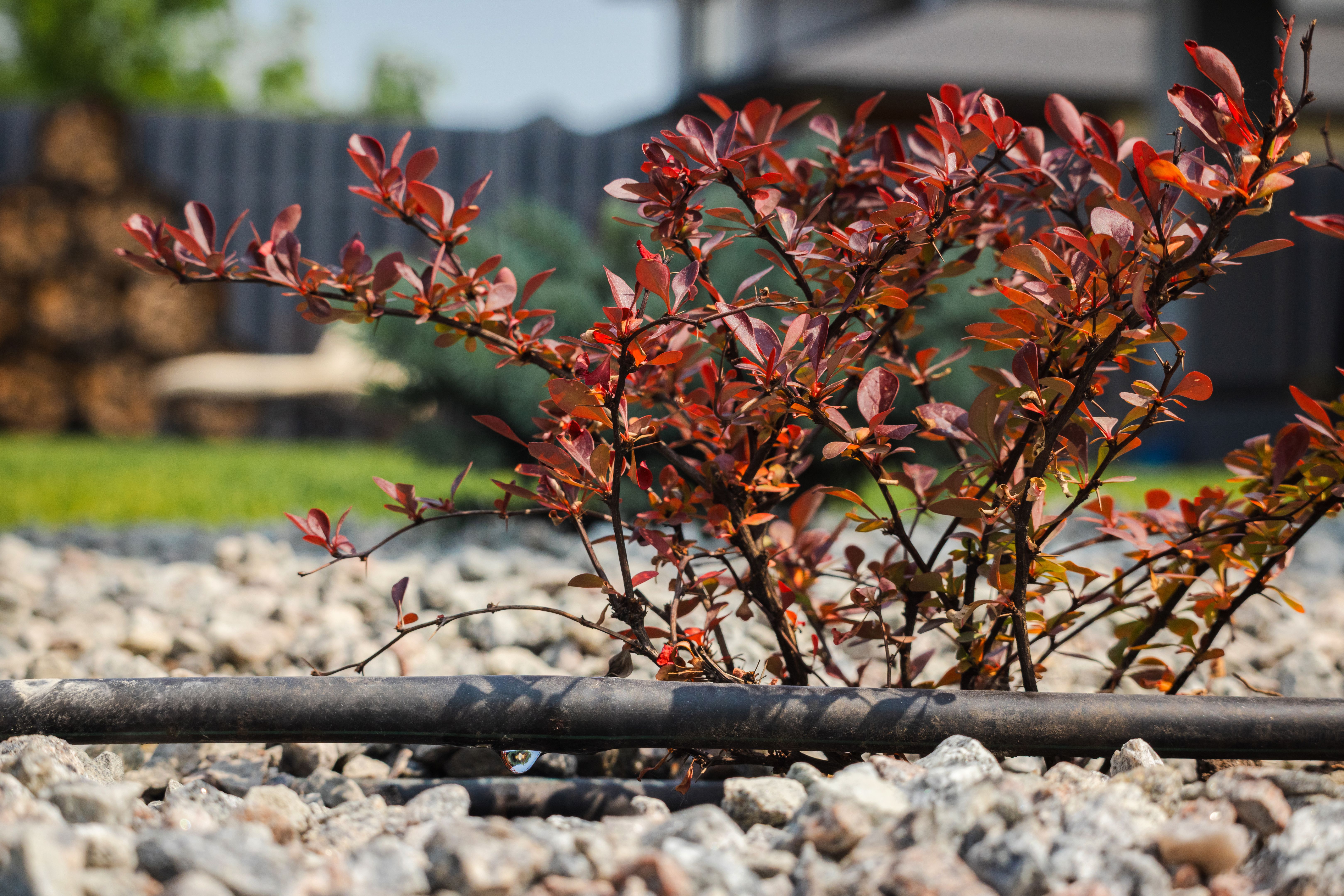
Water conservation is crucial in South Africa, where droughts can be common. Implementing water-wise gardening techniques is both practical and sustainable. Consider installing a rainwater harvesting system to collect rainwater for irrigation. Drip irrigation systems are also effective, delivering water directly to the plant roots, reducing evaporation.
Composting and Soil Health
Maintaining healthy soil is fundamental to a thriving garden. Composting is an excellent way to enrich soil naturally. By recycling organic waste, gardeners can produce nutrient-rich compost that boosts plant growth and health.
Adding organic matter to the soil improves its structure, retains moisture, and supports beneficial microorganisms. This eco-friendly practice reduces reliance on chemical fertilizers and enhances the overall vitality of the garden.
Integrated Pest Management
Eco-friendly landscaping also involves managing pests in a sustainable manner. Integrated Pest Management (IPM) focuses on long-term prevention through biological control, habitat manipulation, and resistant plant varieties.
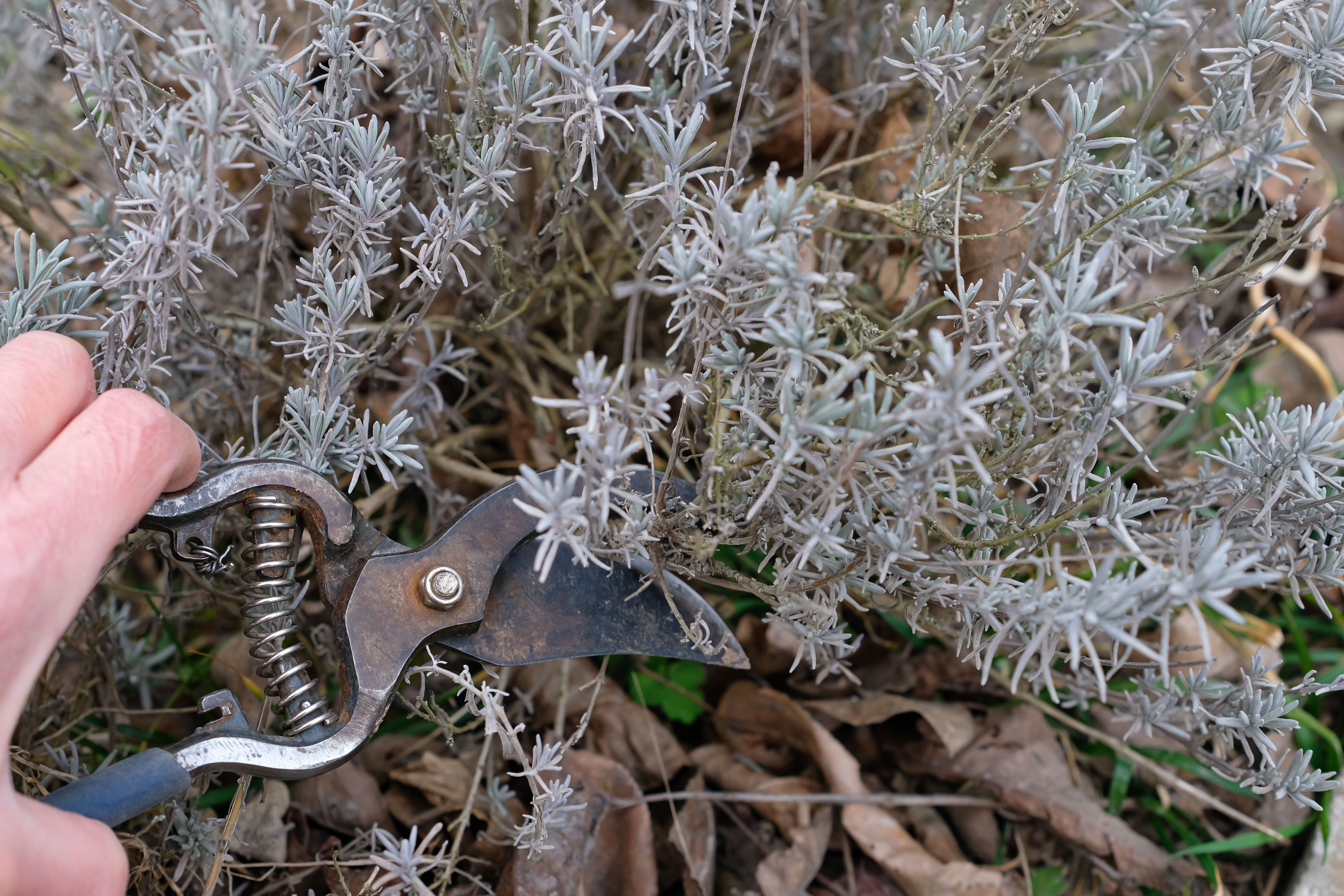
For instance, attracting beneficial insects like ladybugs can help control aphid populations naturally. Avoiding chemical pesticides supports a healthier garden environment, preserving beneficial organisms and reducing pollution.
Creating Wildlife Habitats
Incorporating features like ponds, birdhouses, and rock piles can transform a garden into a wildlife haven. These elements provide essential resources such as water, shelter, and nesting sites for various species.
Encouraging biodiversity not only enhances the beauty of the garden but also supports the ecological balance. Observing wildlife interactions within the garden can be a rewarding experience for any nature lover.
Conclusion
Eco-friendly landscaping is a sustainable approach that benefits both the environment and gardeners. By choosing indigenous plants, conserving water, improving soil health, managing pests naturally, and creating wildlife habitats, South African gardens can flourish while promoting ecological harmony.
Adopting these practices not only contributes to environmental conservation but also creates beautiful, resilient landscapes that can be enjoyed for generations to come.