Expert Advice: Common Landscaping Mistakes and How to Avoid Them
Understanding the Basics of Landscaping
Landscaping can transform a simple yard into a stunning outdoor space. However, achieving the perfect landscape requires careful planning and execution. Many homeowners, excited to begin, often dive in without a clear understanding of basic landscaping principles, leading to common mistakes.
Overlooking Soil Quality
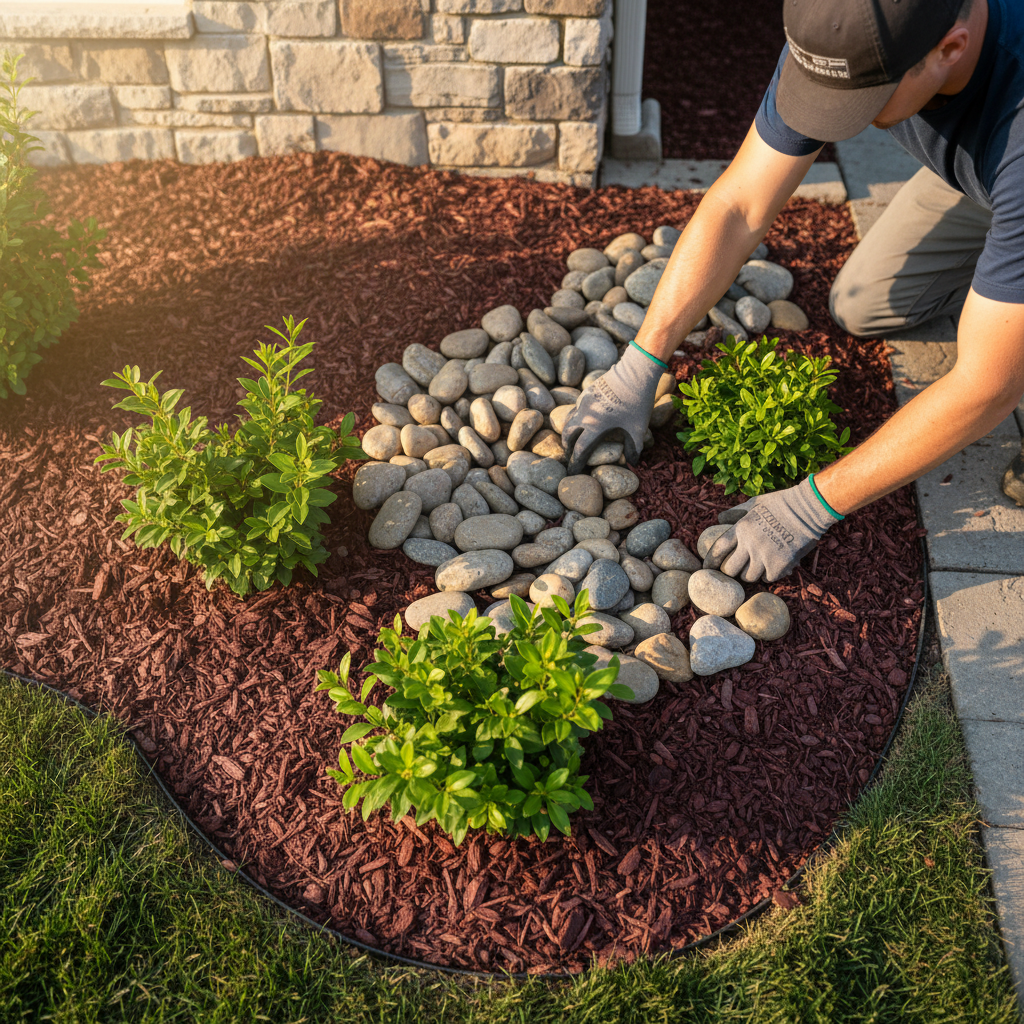
One of the most overlooked aspects of landscaping is soil quality. Many people plant their gardens without testing the soil, which can lead to poor plant growth. It's essential to conduct a soil test to determine its pH and nutrient levels. Based on the results, you can amend the soil with compost or other additives to create the ideal environment for your plants.
Neglecting Plant Placement
Another common mistake is not considering the sunlight and water needs of plants. Some require full sun, while others thrive in shade. Placing a sun-loving plant in a shady corner will lead to disappointment. Similarly, plants with high water needs should not be placed in areas that dry out quickly. Understanding the specific needs of each plant will ensure they thrive in your landscape.
Planning for Growth
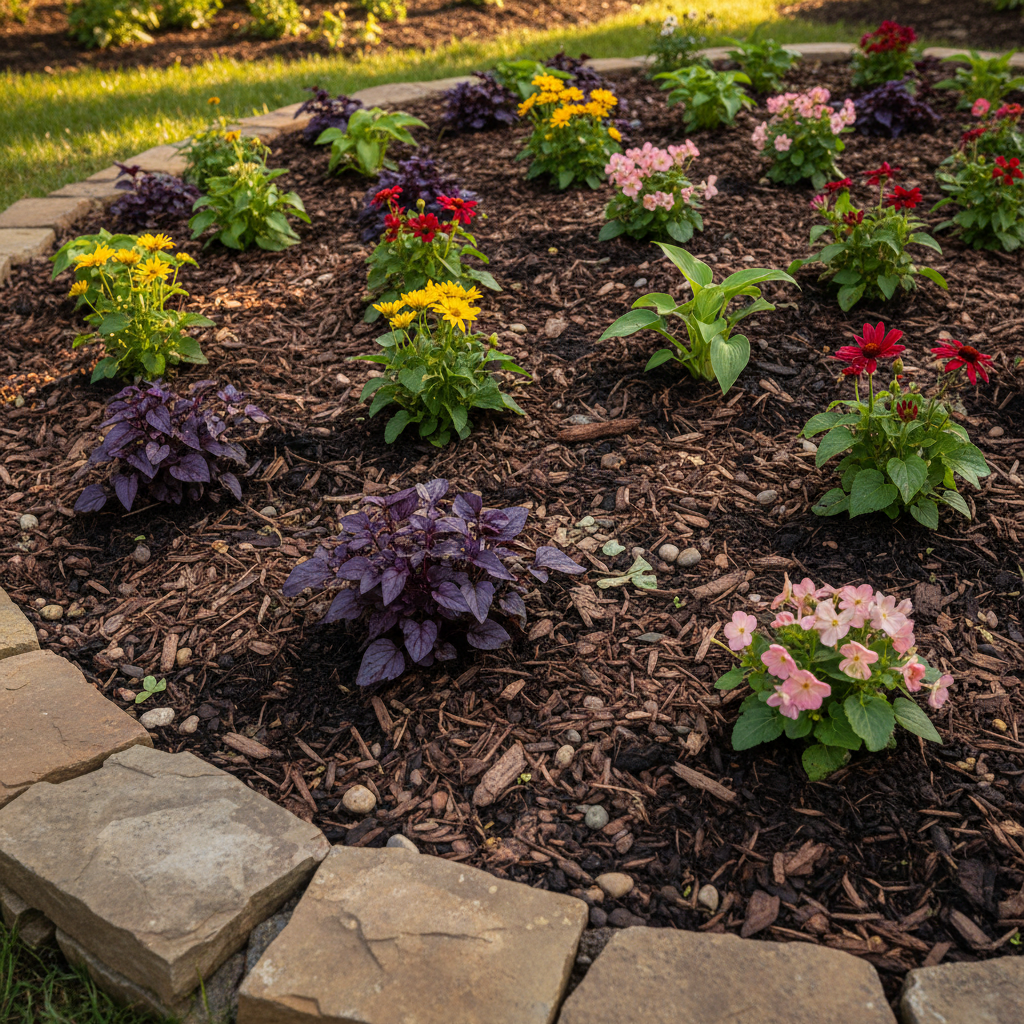
It's easy to forget that plants grow over time. A small sapling might seem perfect for a spot near your home, but in a few years, it could become too large, potentially interfering with structures or other plants. Always envision the mature size of plants and space them accordingly. This foresight will save you from having to relocate or remove plants later.
Ignoring Maintenance Needs
Landscaping is not a one-time project; it requires ongoing maintenance. Many homeowners underestimate the time and effort needed to keep their gardens looking pristine. Consider the maintenance needs of your chosen plants and features. If you're not inclined to spend weekends weeding and pruning, opt for low-maintenance options.
Balancing Hardscape and Softscape
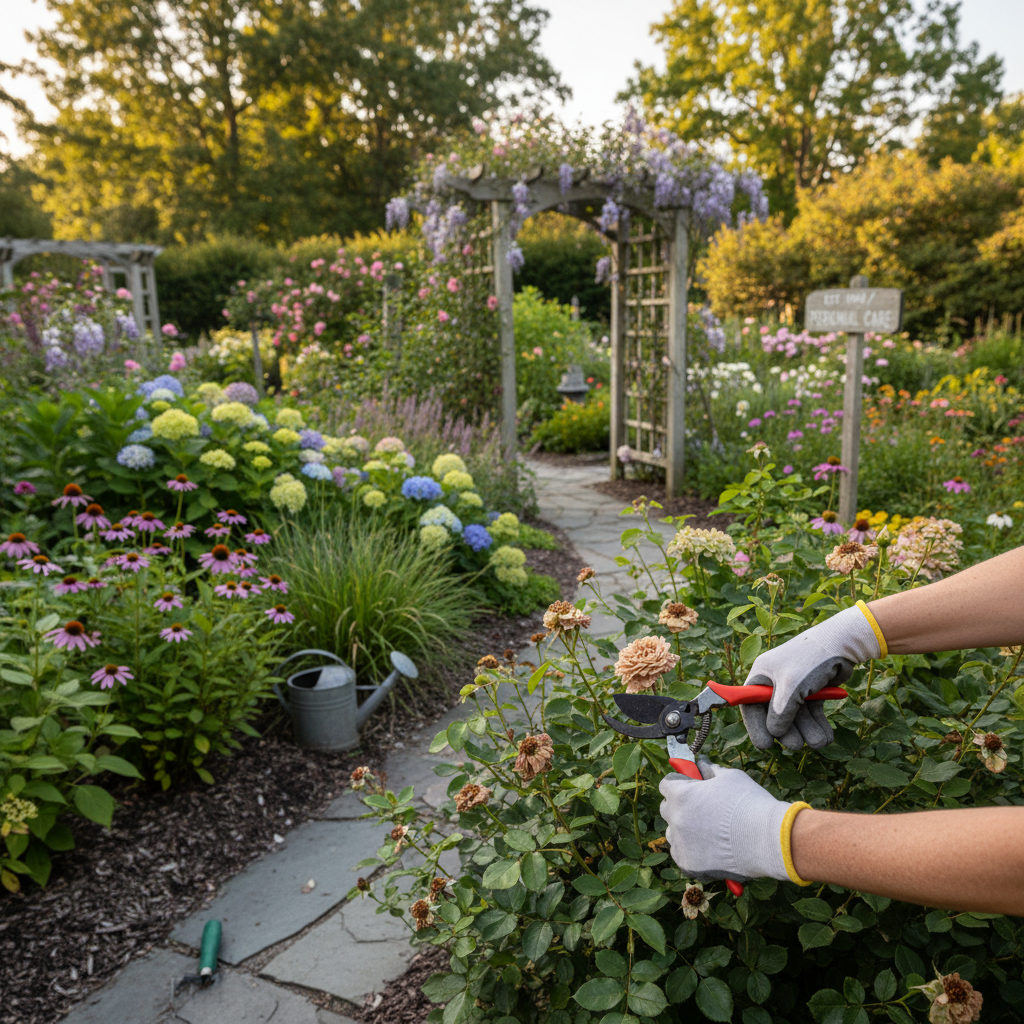
A well-designed landscape balances hardscape elements, like patios and walkways, with softscape elements, such as plants and grass. Overemphasizing one can create an unbalanced look. Consider proportions carefully. A landscape dominated by too much hardscape can feel sterile, while one with excessive softscape might appear overgrown.
Forgetting About Seasonal Changes
Landscapes change with the seasons, and a garden that looks vibrant in spring might look barren in winter. Plan for year-round interest by incorporating a mix of plants that provide color, texture, and structure throughout the year. Evergreens, for instance, can maintain visual appeal even in colder months.
The Importance of a Plan
Successful landscaping begins with a detailed plan. Sketch your ideas on paper, considering factors such as plant selection, layout, and budget. A plan serves as a roadmap, guiding you through implementation and helping you avoid costly mistakes. If you're unsure where to start, consider consulting with a professional landscaper.
By avoiding these common mistakes and following expert advice, you can create a beautiful, sustainable landscape that enhances the beauty and value of your home. Remember, patience and careful planning are key to achieving the outdoor space of your dreams.