Expert Tips for Maintaining a Beautiful Lawn Year-Round
Choose the Right Grass Type
One of the first steps in maintaining a beautiful lawn year-round is selecting the right grass type for your climate and soil. Different grass types thrive in different conditions, so it's essential to choose one that's well-suited for your region. Consider factors such as temperature, sunlight, and rainfall when making your selection. Consulting with a local garden center can provide valuable insights.
Warm-season grasses like Bermuda and St. Augustine are ideal for southern climates, while cool-season grasses such as Kentucky Bluegrass and Fescue flourish in northern areas. The right choice will lay the foundation for a lush and healthy lawn.
Regular Mowing Practices
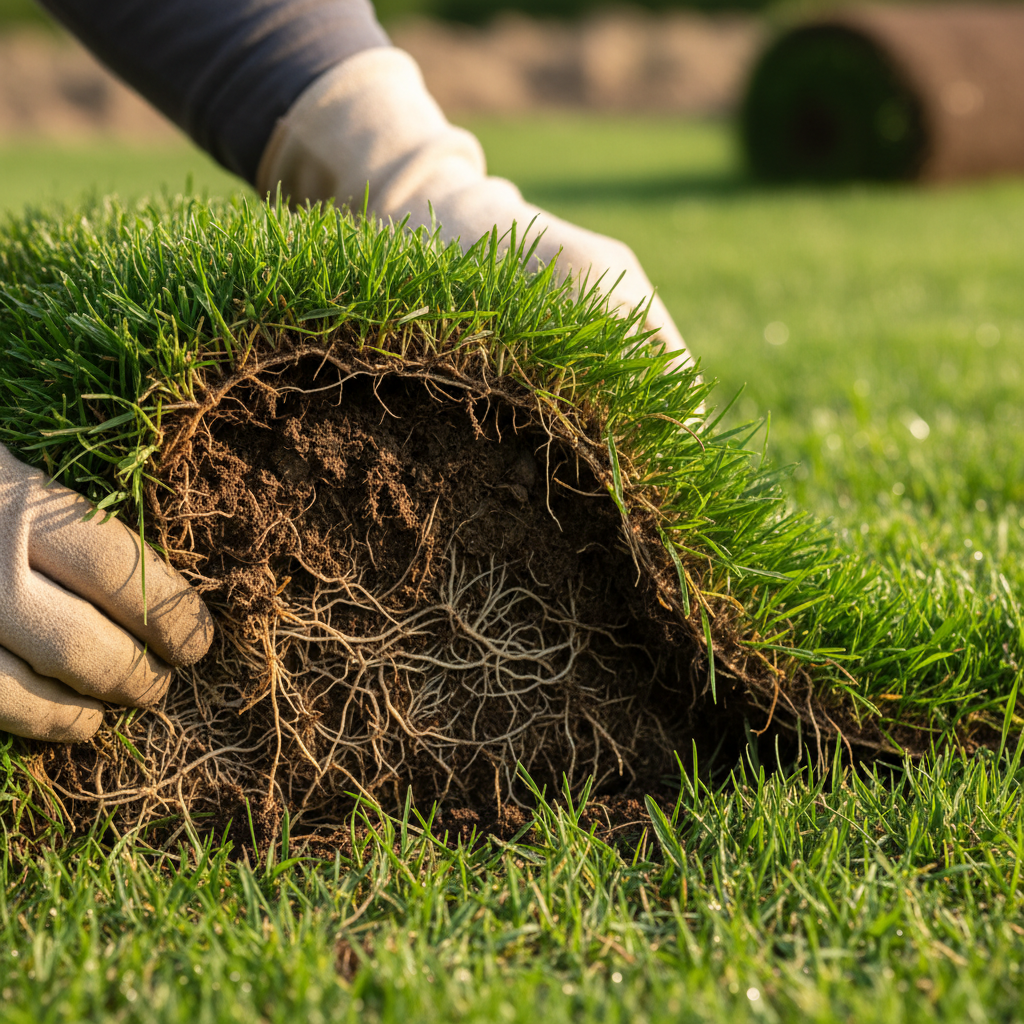
Keeping your lawn well-trimmed not only enhances its appearance but also promotes healthy growth. The key is to maintain a consistent mowing schedule, cutting only one-third of the grass blade at a time. This prevents stress on the grass and encourages strong root development.
Ensure your mower blades are sharp to achieve a clean cut, which reduces the risk of disease. Adjust the mower height according to the season; slightly taller grass during summer helps retain moisture and fend off weeds.

Water Wisely
Watering your lawn properly is crucial for maintaining its beauty. Aim for deep, infrequent watering to encourage roots to grow deeper into the soil, making them more drought-resistant. Early morning is the best time to water, as it reduces evaporation and fungal disease risk.
Consider installing a smart irrigation system to automate the process and ensure efficient water usage. During dry spells, prioritize watering the most visible and high-traffic areas to keep them green and vibrant.

Fertilize for Health
Fertilizing your lawn provides essential nutrients that promote lush growth. The best approach is to apply a balanced fertilizer in the spring and fall. Look for a product that contains nitrogen, phosphorus, and potassium, which are crucial for grass health.
Consider using organic fertilizers if you prefer an eco-friendly option. They release nutrients slowly and improve soil health over time. Always follow the manufacturer's instructions to avoid over-fertilizing, which can damage your lawn.
Control Weeds and Pests
Weeds and pests can quickly undermine your efforts to maintain a beautiful lawn. Implement a weed control strategy by applying pre-emergent herbicides in early spring. This will help prevent weed seeds from germinating.
For pest control, monitor your lawn regularly for signs of damage. Use natural or chemical treatments as needed, focusing on targeted applications to minimize environmental impact. Integrated pest management techniques can be effective in balancing pest control with ecological concerns.
Aeration and Overseeding
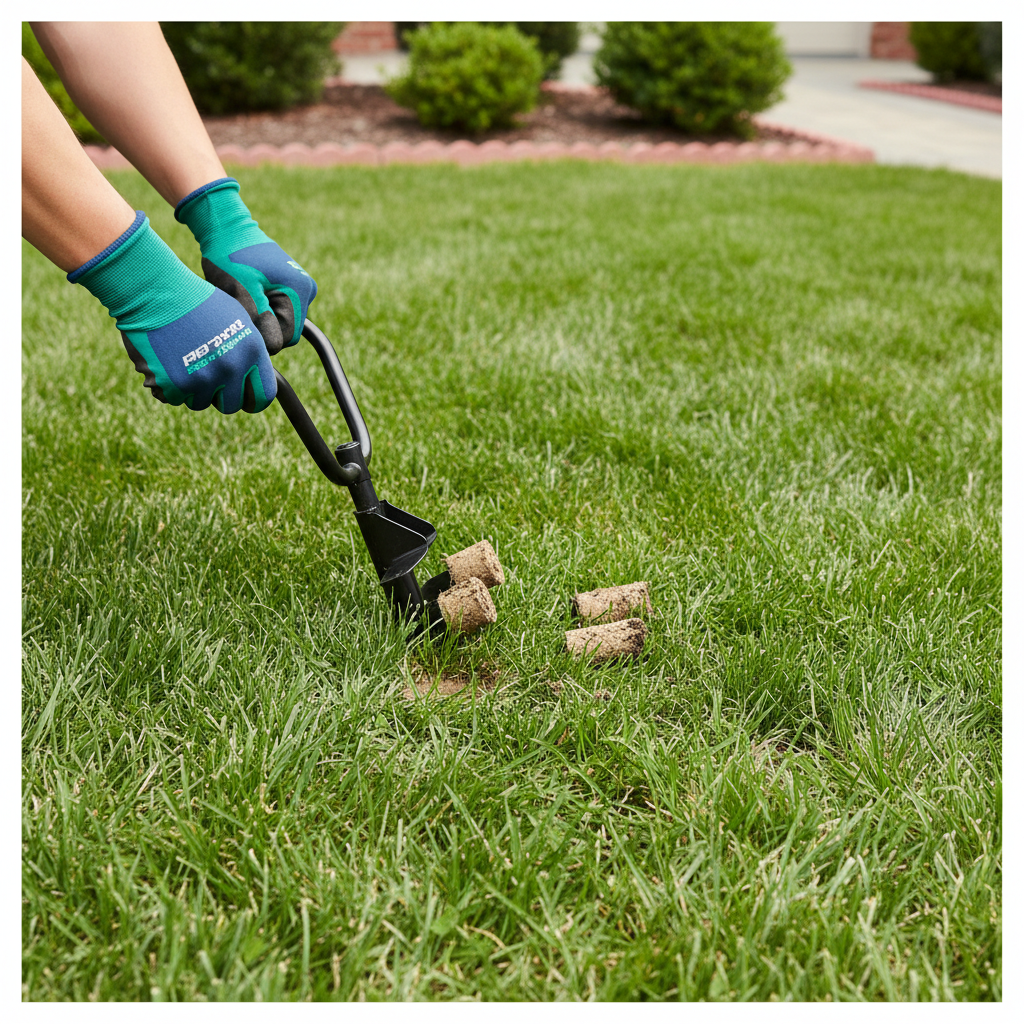
Aerating your lawn involves perforating the soil with small holes to allow air, water, and nutrients to penetrate the grass roots. This process reduces soil compaction and promotes healthier growth. Fall is an ideal time for aeration, especially in cool-season grass regions.
Overseeding involves spreading grass seed over your existing lawn to fill in bare spots and improve density. This practice is best done after aeration, ensuring that the new seeds have optimal conditions to sprout and thrive.
By following these expert tips, you can maintain a beautiful lawn that enhances your home's curb appeal all year long. Regular care and attention will reward you with a lush, green oasis that you can enjoy season after season.