How to Prepare Your Garden for the South African Summer
Soil Preparation
As the South African summer approaches, it's crucial to prepare your garden soil for the hotter months. Start by clearing any debris and weeds from your garden beds. This helps prevent pests and diseases that can thrive in warm weather.
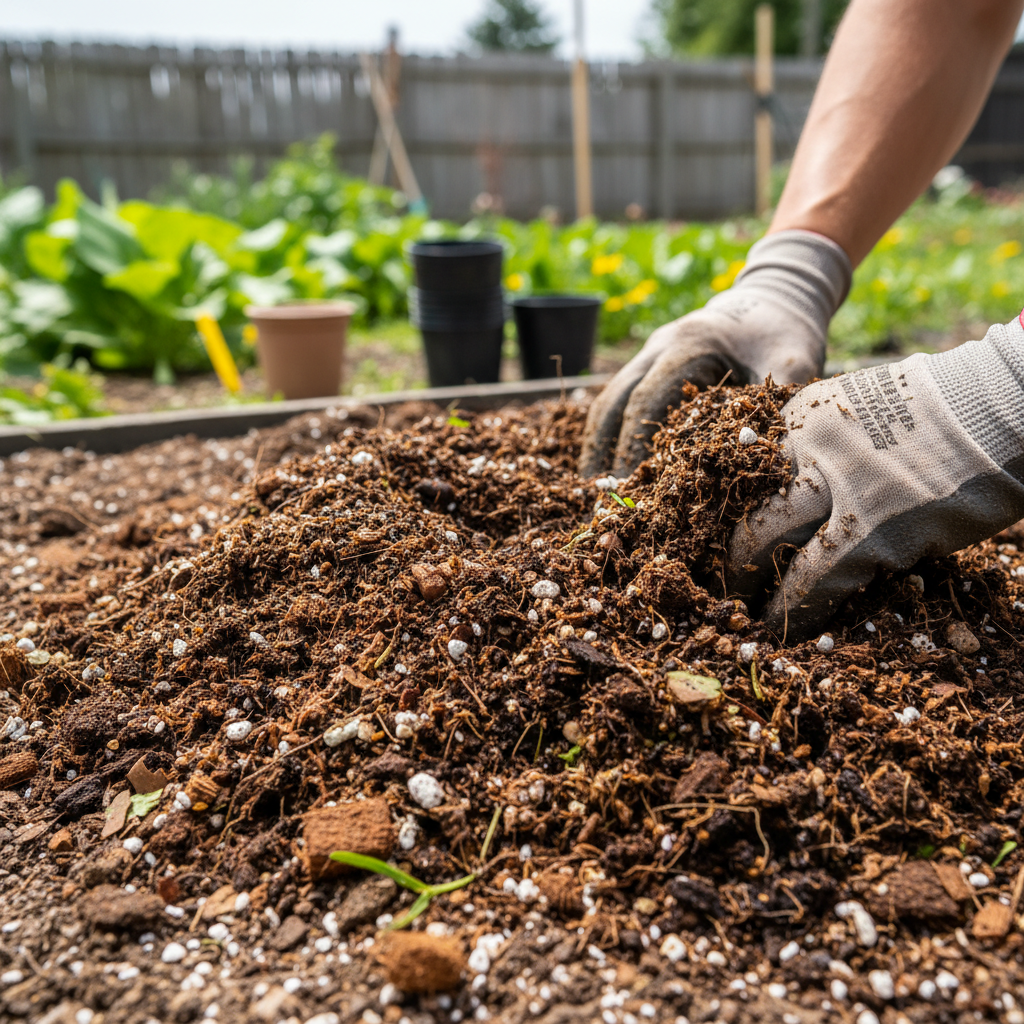
Next, enrich the soil with organic matter. Use compost or well-rotted manure to improve soil fertility and structure. This will ensure your plants have the necessary nutrients to thrive during the summer.
Watering Techniques
Watering effectively is essential for a healthy summer garden. Early mornings or late afternoons are the best times to water, as it reduces evaporation and allows plants to absorb moisture efficiently.
Consider installing a drip irrigation system to provide consistent water to your plants. This method conserves water and delivers it directly to the roots, minimizing waste.
Mulching
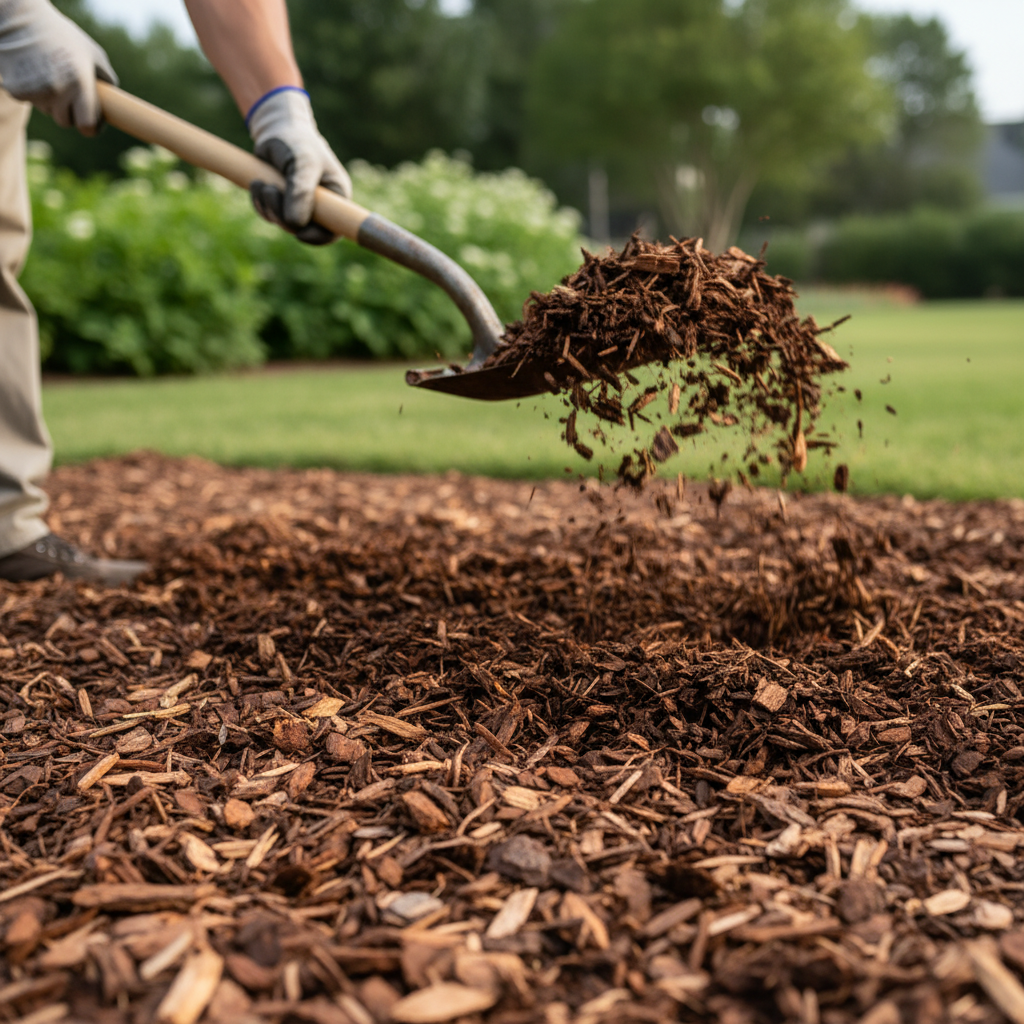
Mulching is a vital step in preparing your garden for summer. Apply a thick layer of organic mulch, such as straw or wood chips, around your plants. This helps retain soil moisture, suppress weeds, and maintain a stable soil temperature.
Choosing the Right Plants
Selecting the right plants for your garden is crucial. Opt for drought-resistant or native species that are well-suited to South African climates. These plants are more likely to thrive and require less water.
Some excellent choices include succulents, lavender, and indigenous grasses. They are not only resilient but also add beauty and diversity to your garden.
Pest and Disease Control
Summer can bring an increase in pests and diseases. Regularly inspect your plants for signs of trouble. Look out for discolored leaves, holes, or unusual growth patterns.
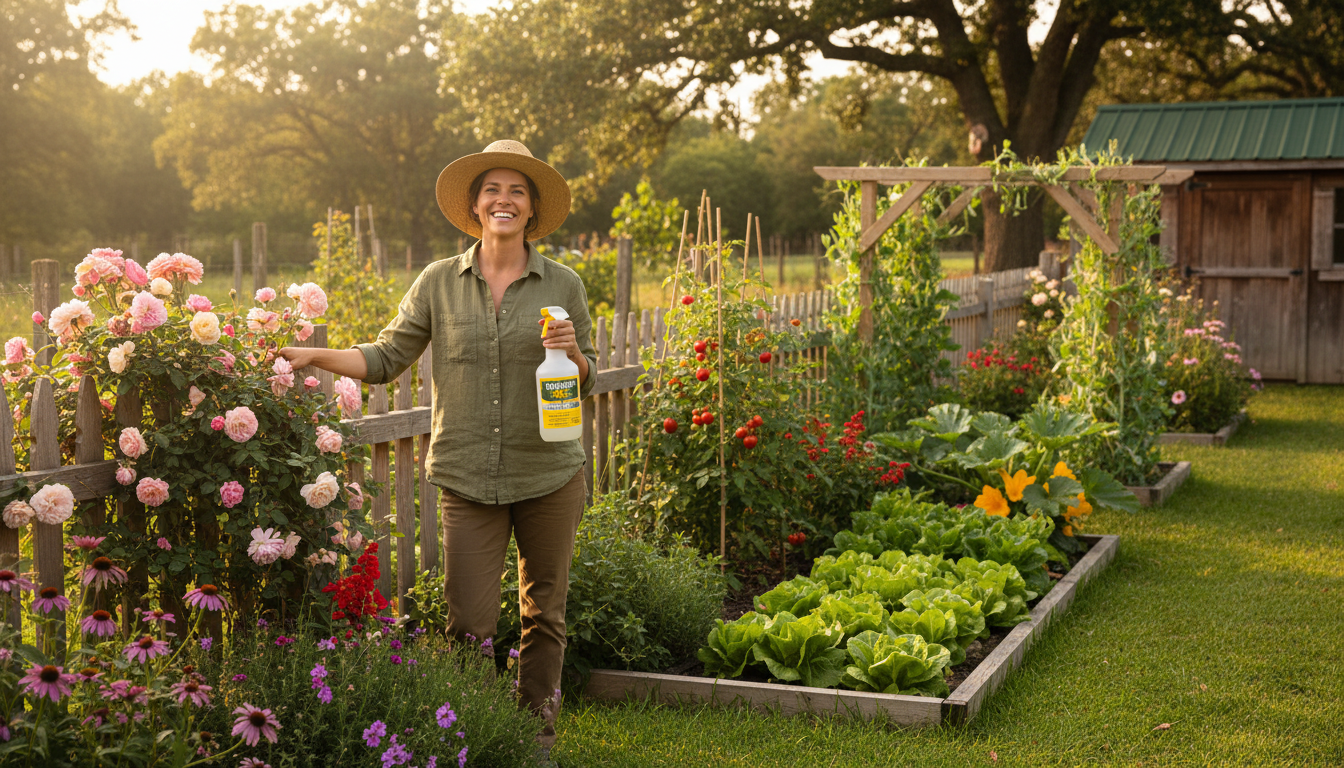
Use natural pest control methods where possible. Introduce beneficial insects like ladybugs or use organic sprays to manage infestations without harming the environment.
Pruning and Maintenance
Keep your garden tidy by regularly pruning overgrown plants. This encourages healthy growth and improves air circulation, reducing the risk of fungal diseases.
Routine maintenance tasks, such as deadheading flowers and removing spent blooms, will keep your garden looking vibrant throughout the summer.
Plan for Shade
Summer sun can be harsh, so consider creating shaded areas in your garden. Use shade cloths, pergolas, or strategically plant trees and shrubs to provide relief for sun-sensitive plants.
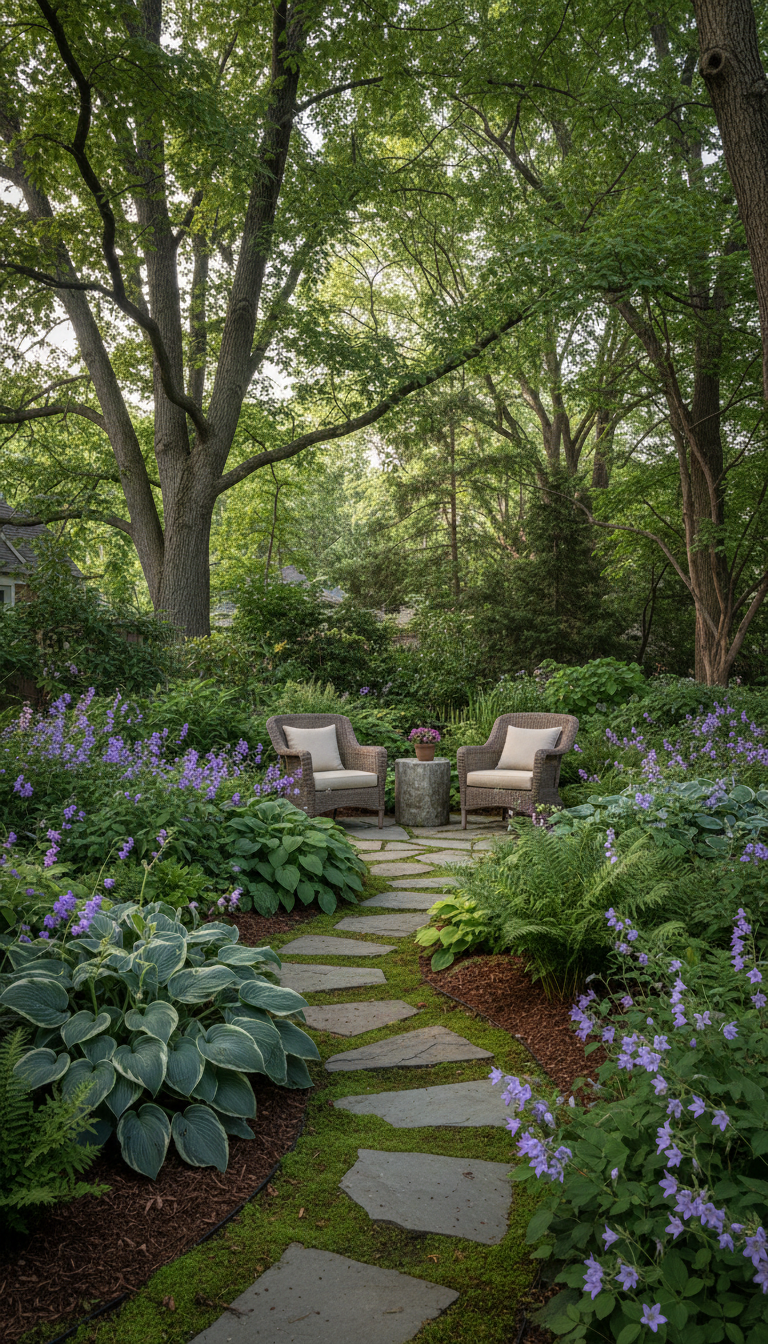
These shaded spaces can also offer a cool retreat for you to enjoy your garden during the hottest parts of the day.