The Ultimate Guide to Eco-Friendly Landscaping in Pretoria
Understanding Eco-Friendly Landscaping
Eco-friendly landscaping is all about creating beautiful outdoor spaces that are sustainable and environmentally friendly. In Pretoria, this approach not only enhances the aesthetic appeal of your garden but also contributes to the local ecosystem. By using native plants and efficient water management, you can reduce your ecological footprint and support local wildlife.
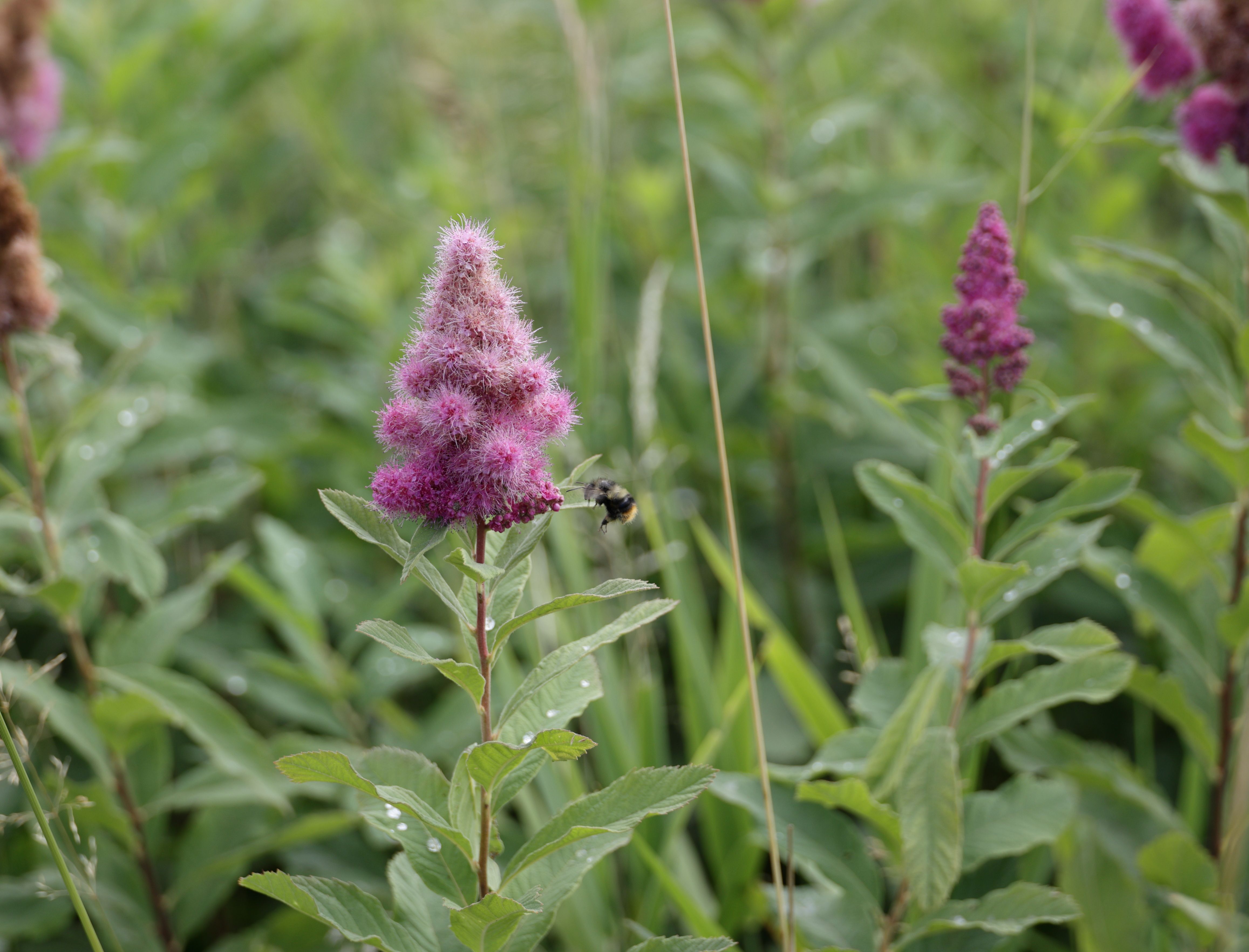
One of the key principles of eco-friendly landscaping is selecting plants that are native to the region. Native plants are well-adapted to the local climate and soil conditions, which means they require less water and maintenance. This is particularly beneficial in Pretoria, where water conservation is a priority.
Water Conservation Techniques
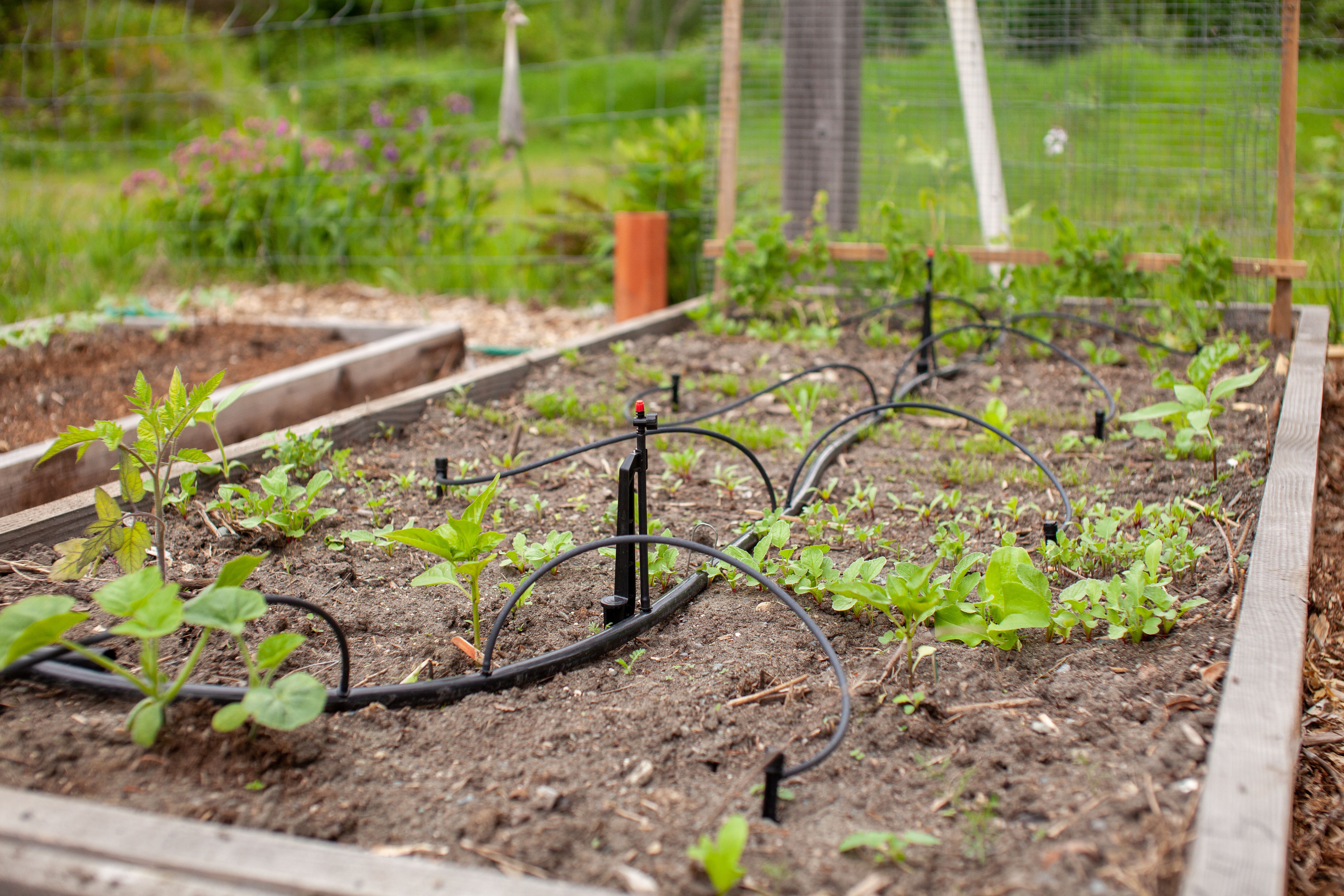
Water conservation is a significant aspect of eco-friendly landscaping. Implementing techniques like rainwater harvesting and drip irrigation can drastically reduce water usage. Rainwater harvesting involves collecting rainwater from rooftops and storing it for use in the garden. This not only saves water but also reduces your water bill.
An efficient irrigation system, such as drip irrigation, targets the roots of plants directly, minimizing water wastage. Additionally, mulching around plants can help retain soil moisture, reducing the need for frequent watering.
Soil Health and Composting
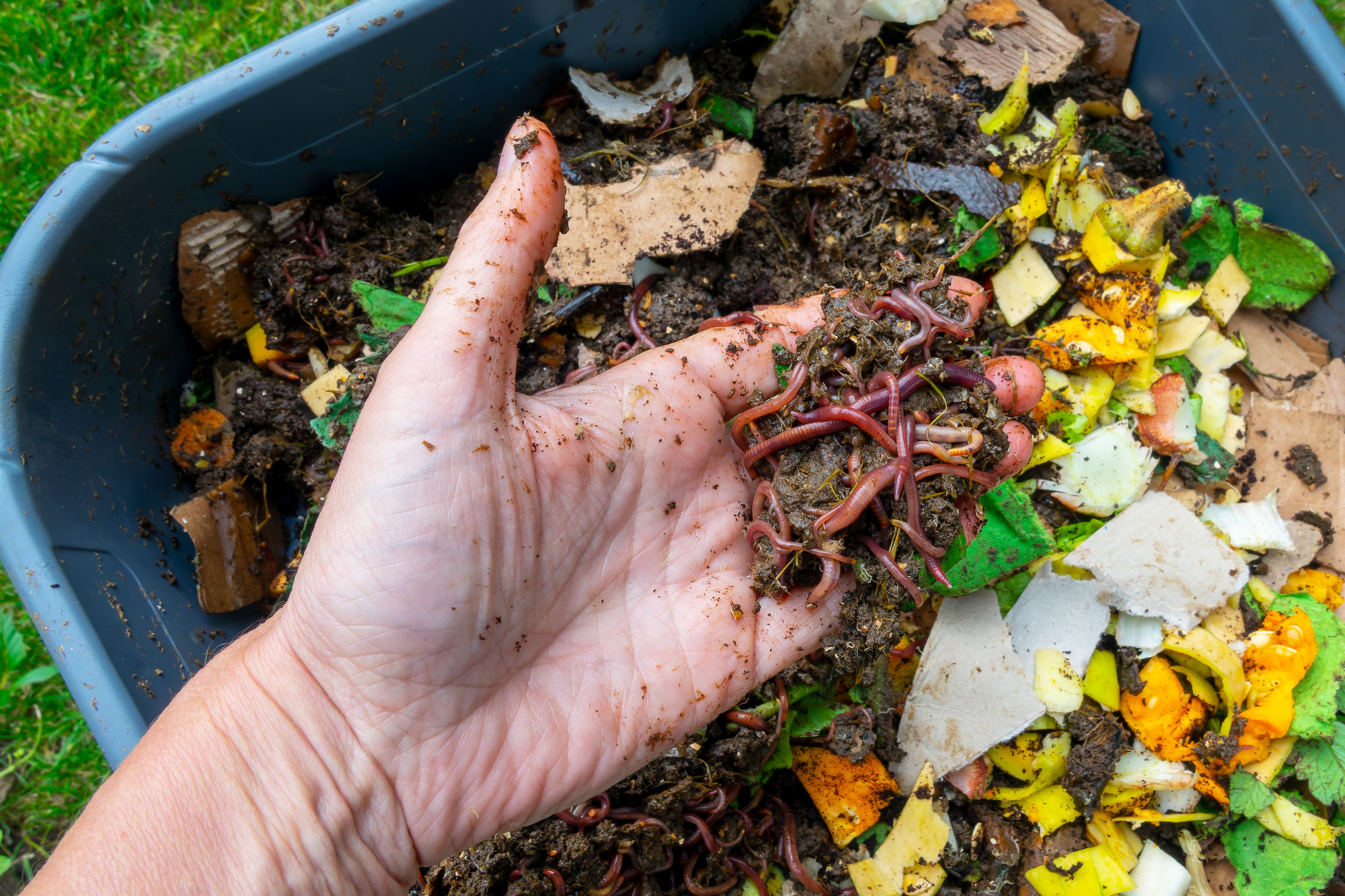
Healthy soil is the foundation of any thriving garden. Improving soil health through organic methods is a key component of eco-friendly landscaping. Composting is a simple and effective way to enrich the soil. By recycling kitchen scraps and garden waste, you can create nutrient-rich compost that enhances soil fertility and structure.
Avoid using chemical fertilizers and pesticides, as these can harm the environment and disrupt local ecosystems. Instead, opt for organic fertilizers and natural pest control methods to maintain a healthy and balanced garden.
Promoting Biodiversity
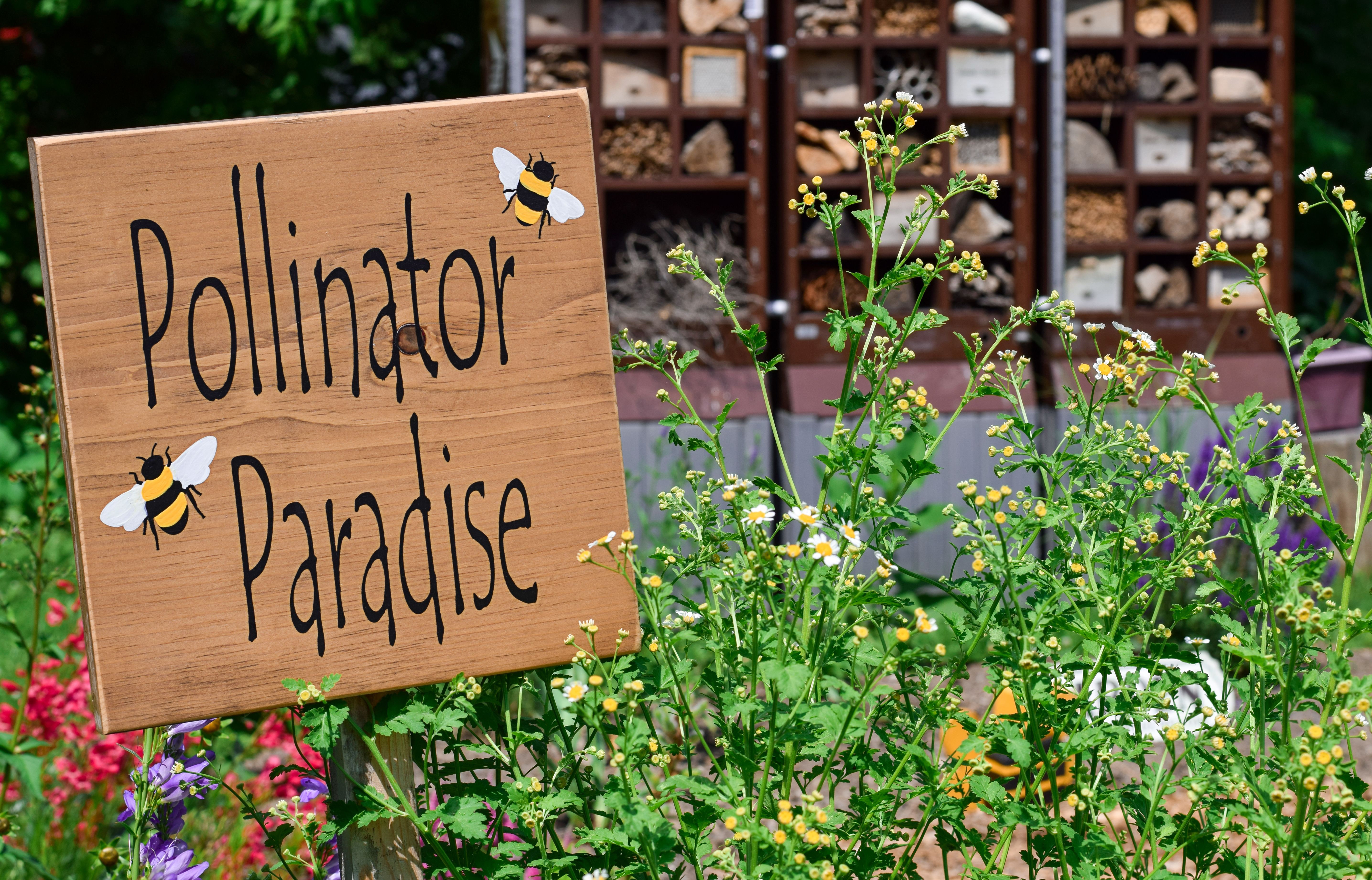
Encouraging biodiversity in your garden is crucial for a sustainable landscape. By creating habitats for local wildlife, you can attract beneficial insects, birds, and other animals. Consider planting a variety of flowering plants to attract pollinators like bees and butterflies.
Installing bird feeders and birdbaths can also invite avian visitors to your garden, contributing to the overall ecological balance. The more diverse your garden, the more resilient it becomes to pests and diseases.
Sustainable Hardscaping
Hardscaping refers to the non-plant elements of your garden, such as pathways, patios, and retaining walls. When choosing materials, opt for sustainable options like recycled concrete, stone, or wood. These materials not only reduce environmental impact but also add a natural aesthetic to your landscape.
Permeable paving is another excellent choice for eco-friendly hardscaping. It allows rainwater to seep through, replenishing the groundwater and reducing runoff. This helps prevent erosion and flooding, particularly important in urban areas like Pretoria.
Conclusion
Eco-friendly landscaping in Pretoria is not just about creating a beautiful garden; it's about making a positive impact on the environment. By incorporating native plants, conserving water, improving soil health, promoting biodiversity, and choosing sustainable materials, you can create a landscape that is both stunning and environmentally responsible.
Embrace the principles of eco-friendly landscaping to enjoy a garden that supports the local ecosystem and enhances the beauty of your home. Together, we can contribute to a greener and more sustainable future.