Top 10 Sustainable Landscaping Trends for Your Pretoria Garden
In recent years, sustainable landscaping has gained significant popularity, especially in areas like Pretoria where the climate offers unique challenges and opportunities. By adopting eco-friendly practices, homeowners can create beautiful gardens that are both functional and environmentally responsible. Here are the top 10 sustainable landscaping trends to consider for your Pretoria garden.
Native Plant Selection
One of the most impactful ways to create a sustainable garden is by using native plants. These plants are naturally adapted to the local climate and soil conditions, requiring less water and maintenance. Common choices in Pretoria include the striking Strelitzia reginae and the hardy Aloe ferox.

Water-Wise Irrigation
Water conservation is crucial in sustainable landscaping. Implementing water-wise irrigation systems such as drip irrigation or soaker hoses can drastically reduce water usage. These systems deliver water directly to the roots, minimizing evaporation and runoff.
Organic Mulching
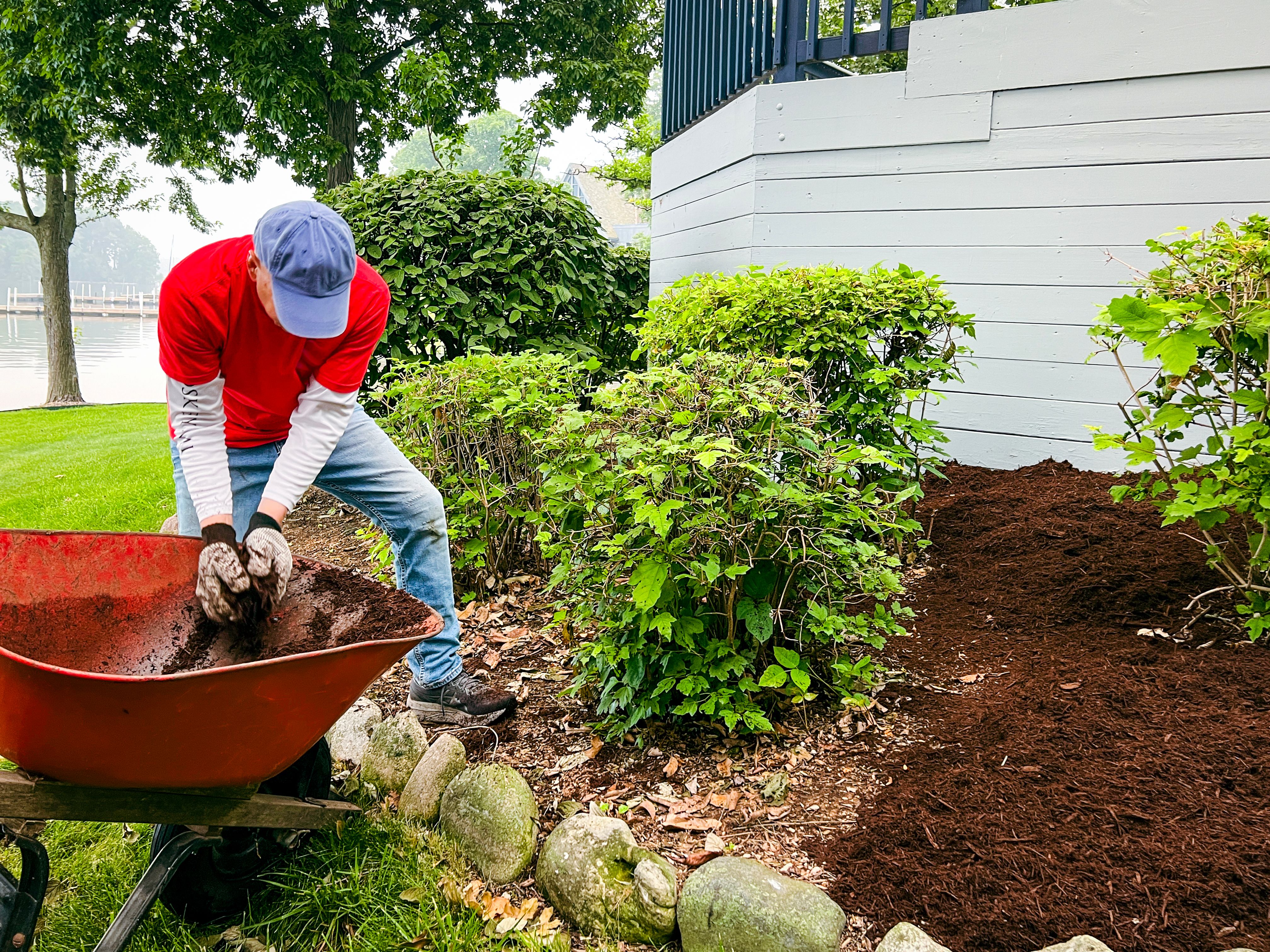
Using organic mulch is a great way to retain soil moisture, suppress weeds, and improve soil health. Materials like bark chips, straw, or leaves can be used as mulch. Over time, they decompose and enrich the soil with essential nutrients.
Permaculture Principles
Permaculture is a holistic approach to landscaping that integrates natural ecosystems into garden design. By mimicking natural processes, you can create a self-sustaining garden that requires minimal intervention. Consider planting a mix of fruit trees, herbs, and vegetables to create a diverse ecosystem.
Rain Gardens
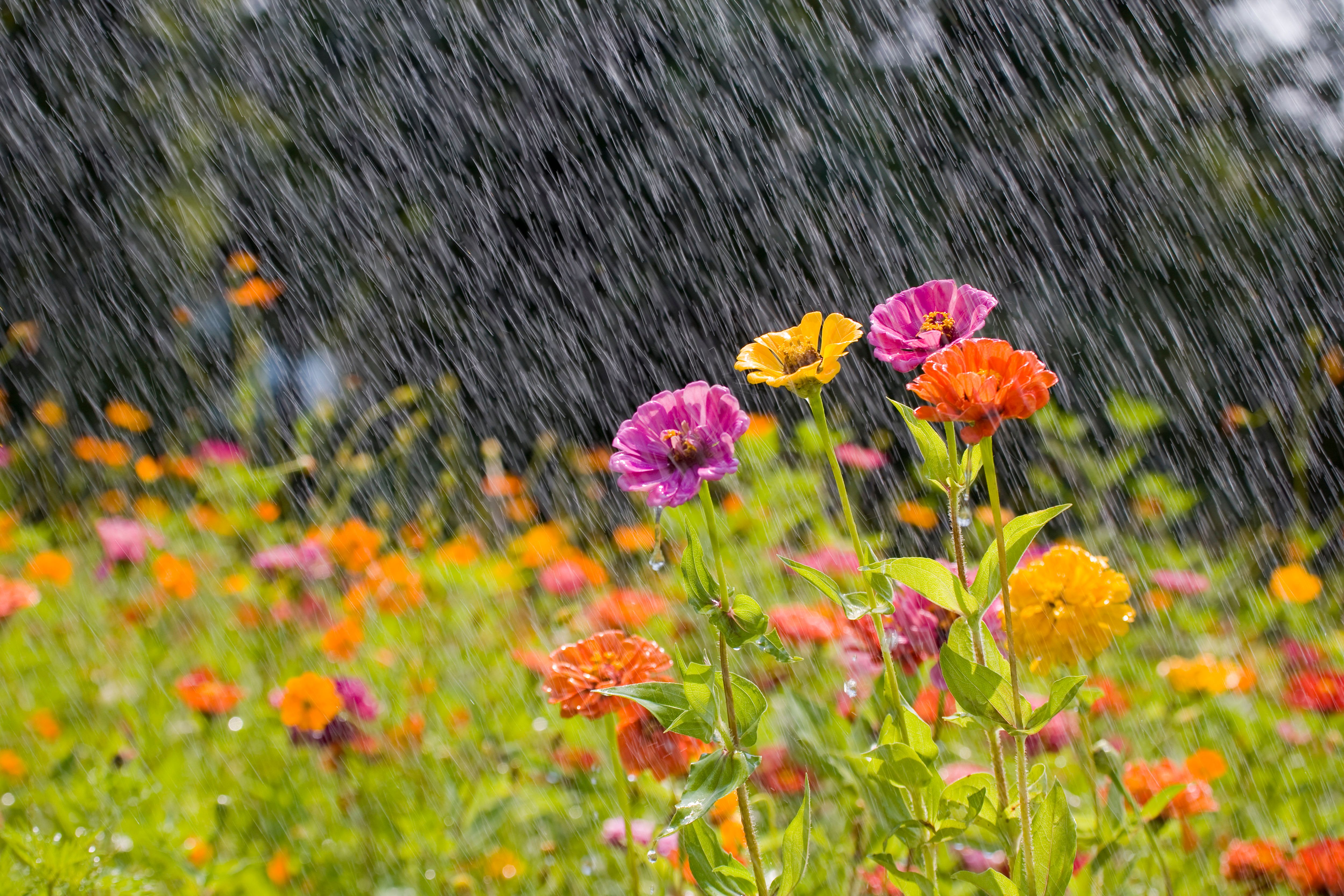
Rain gardens are designed to capture and filter rainwater, reducing runoff and promoting groundwater recharge. By strategically placing a rain garden in a low-lying area, you can effectively manage water while adding beauty to your landscape.
Composting
Composting is an excellent way to recycle organic waste and enrich your garden soil. By setting up a compost bin or heap, you can transform kitchen scraps and garden waste into nutrient-rich compost, reducing the need for chemical fertilizers.
Edible Landscaping
Incorporating edible plants into your landscape not only provides fresh produce but also enhances biodiversity. Consider planting fruit-bearing trees, vegetable patches, and herb gardens to enjoy the dual benefits of beauty and sustenance.
Vertical Gardening
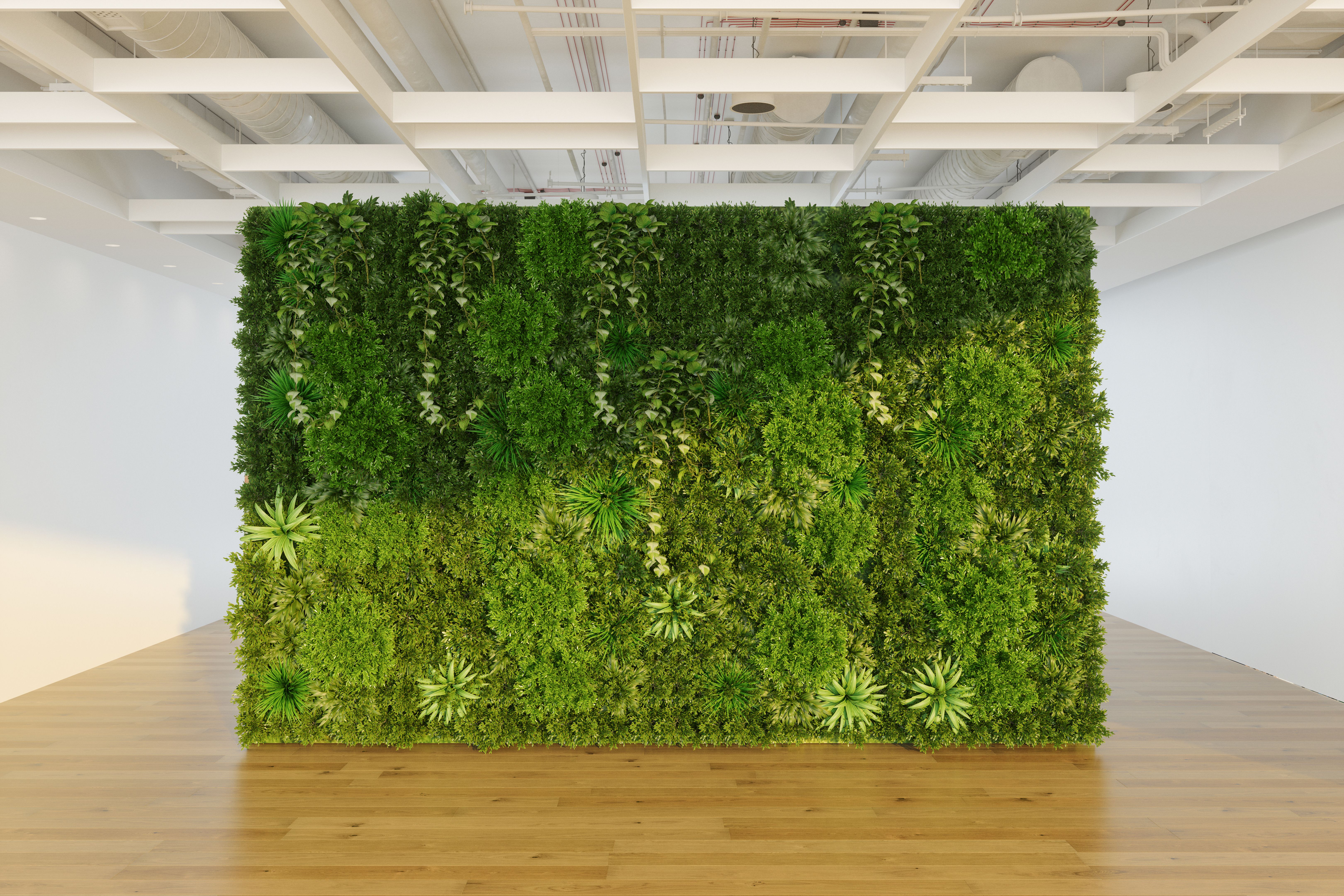
Vertical gardening is an innovative way to maximize space, especially in urban settings. By using trellises, wall planters, or hanging gardens, you can grow a variety of plants vertically, making efficient use of limited space and adding visual interest.
Habitat Creation
Creating habitats for local wildlife is a rewarding aspect of sustainable gardening. By planting a variety of native plants, providing water sources, and installing birdhouses, you can attract beneficial insects, birds, and other wildlife to your garden.
Solar Lighting
Utilizing solar-powered lights in your garden is an energy-efficient way to illuminate pathways and highlight features. Solar lights charge during the day and provide a soft glow at night, enhancing the ambiance while conserving energy.
By embracing these sustainable landscaping trends, you can create a garden that not only thrives in Pretoria's unique environment but also contributes positively to the ecosystem. Whether you’re a novice gardener or an experienced landscaper, these practices can help you design a beautiful, sustainable outdoor space.