Understanding Landscape Design: Key Elements for Your Outdoor Space
Understanding Landscape Design
Creating an inviting and functional outdoor space is an art, one that combines creativity and practicality. Landscape design is not just about planting trees and flowers; it's about crafting an environment that complements your lifestyle and enhances your home's aesthetic appeal.
Whether you're starting from scratch or looking to revamp your existing garden, understanding the key elements of landscape design can make a significant difference. Here are some essential components to consider when planning your outdoor space.
Balance and Symmetry
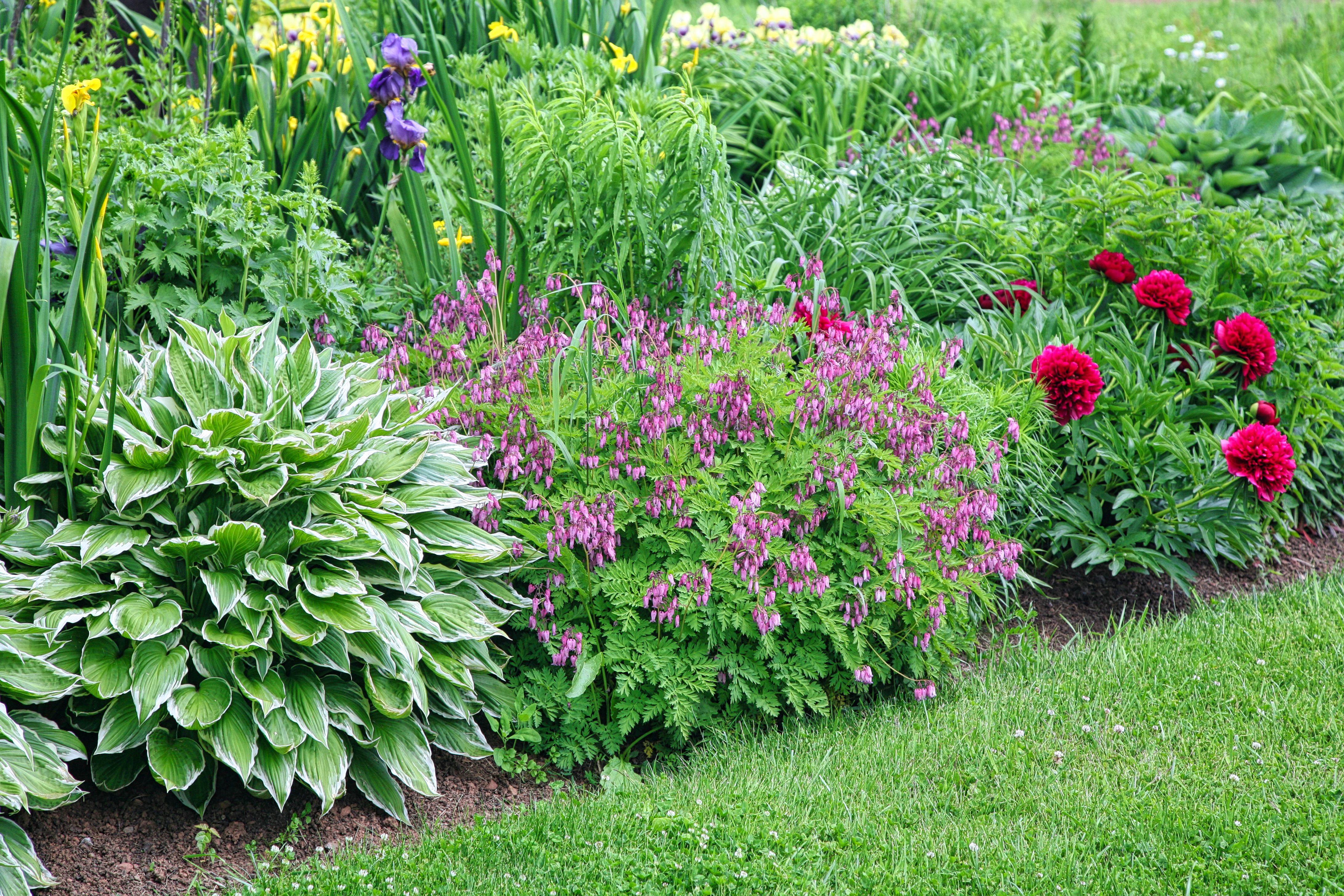
Balance in landscape design refers to an even distribution of visual weight, which can be achieved through symmetry or asymmetry. Symmetrical designs create a formal look, often seen in traditional gardens, while asymmetrical designs offer a more relaxed and natural appearance.
Consider how plants, pathways, and structures are arranged to create harmony. This doesn't mean everything needs to match perfectly, but there should be a sense of cohesion throughout the space.
Focal Points
Focal points are elements that draw the eye and create interest. These can be anything from a stunning statue, a water feature, or a unique tree. A well-placed focal point can anchor a design and provide direction to the viewer's gaze.

When choosing a focal point, think about the views from different parts of your yard and even from inside your home. A good focal point is visible from multiple angles and complements the overall style of your landscape.
Color and Texture
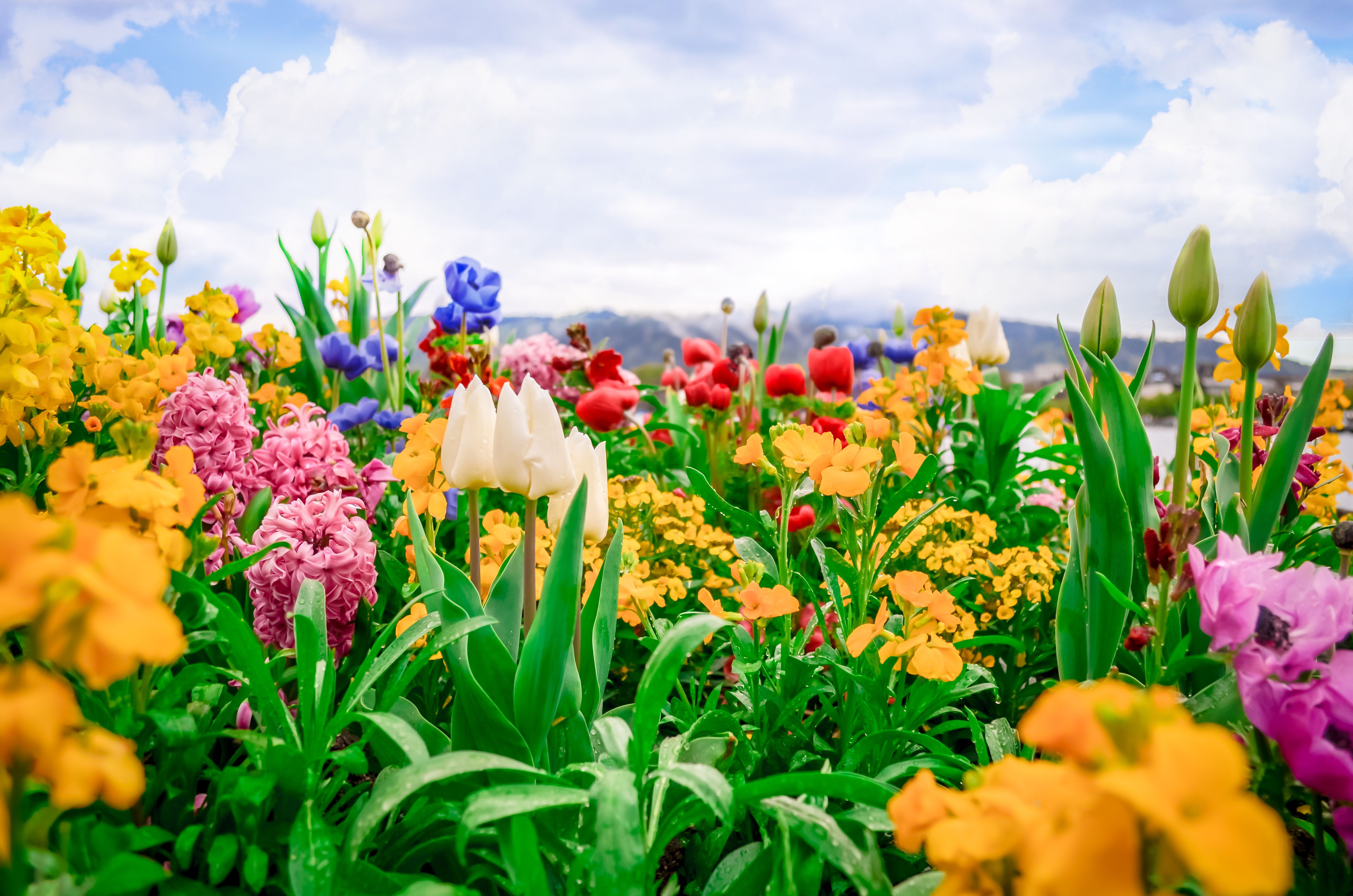
Color plays a crucial role in landscape design, influencing mood and perception. Warm colors like reds and yellows grab attention, while cool colors like blues and greens provide a calming effect. Use color to create contrast or harmony in your garden.
Texture adds another layer of interest. Consider the surfaces of leaves, the bark of trees, and the materials of pathways. Mixing different textures can create depth and intrigue, making your garden more engaging.
Scale and Proportion
Scale and proportion relate to the size relationship between elements. Large trees can overshadow a small garden, while tiny plants might get lost in a vast expanse. It's important to choose plants and features that fit the scale of your space.
Proportion ensures that each element relates well to others, creating a balanced and cohesive design. This consideration helps in maintaining a harmonious flow throughout the landscape.
Sustainability
Incorporating sustainable practices into your landscape design not only benefits the environment but can also enhance the beauty and functionality of your space. Consider native plants that require less water, and incorporate rainwater harvesting systems.
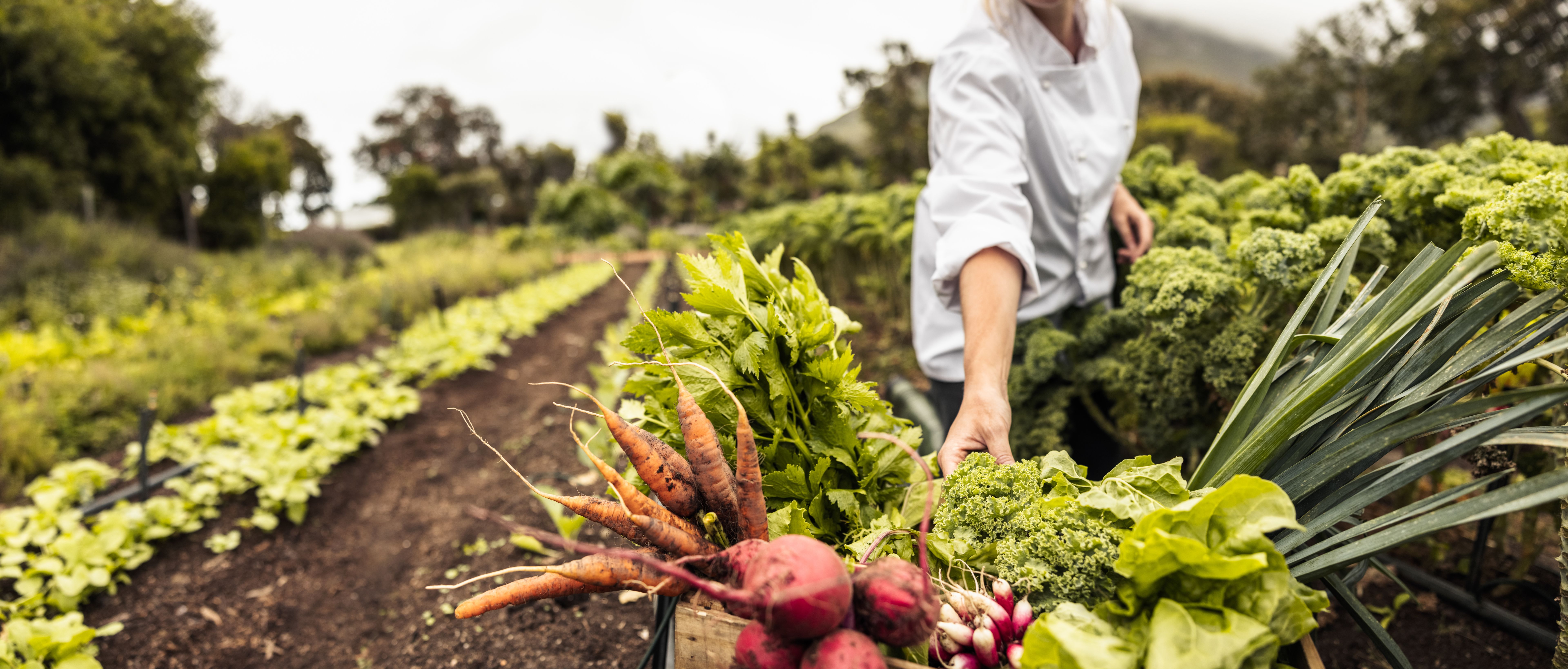
Using materials that are locally sourced and eco-friendly can also contribute to a more sustainable garden. This approach not only supports local ecosystems but often reduces maintenance and costs in the long run.
By understanding and applying these key elements of landscape design, you can create an outdoor space that is not only beautiful but also functional and sustainable. Whether you're an experienced gardener or a novice, these principles provide a foundation for crafting a landscape that reflects your personal style and needs.