Understanding Pretoria's Climate: A Guide to Local Landscaping Challenges
Introduction to Pretoria's Climate
Pretoria, the administrative capital of South Africa, is renowned for its picturesque landscapes and vibrant jacaranda trees. However, the local climate poses unique landscaping challenges that homeowners and gardeners must navigate. Understanding these climatic conditions is crucial for creating sustainable and thriving gardens.

Climate Overview
Pretoria experiences a subtropical highland climate, characterized by hot, rainy summers and mild, dry winters. The city enjoys an average of 3,200 hours of sunshine annually, making it one of the sunniest cities in the world. This abundance of sunlight is both a blessing and a challenge for local landscaping efforts.
Temperature Extremes
During the peak of summer, temperatures can soar above 30°C, while winter nights may drop to near freezing. These temperature fluctuations require careful selection of plants that can withstand both extremes. Indigenous plants are often a safe bet, as they are adapted to these conditions.
Rainfall Patterns
Rainfall in Pretoria is highly seasonal, with most of it occurring during summer months. The city receives an average annual rainfall of around 670 mm. This pattern means that water conservation strategies, such as rainwater harvesting and efficient irrigation systems, are vital for sustainable landscaping.
Drought Considerations
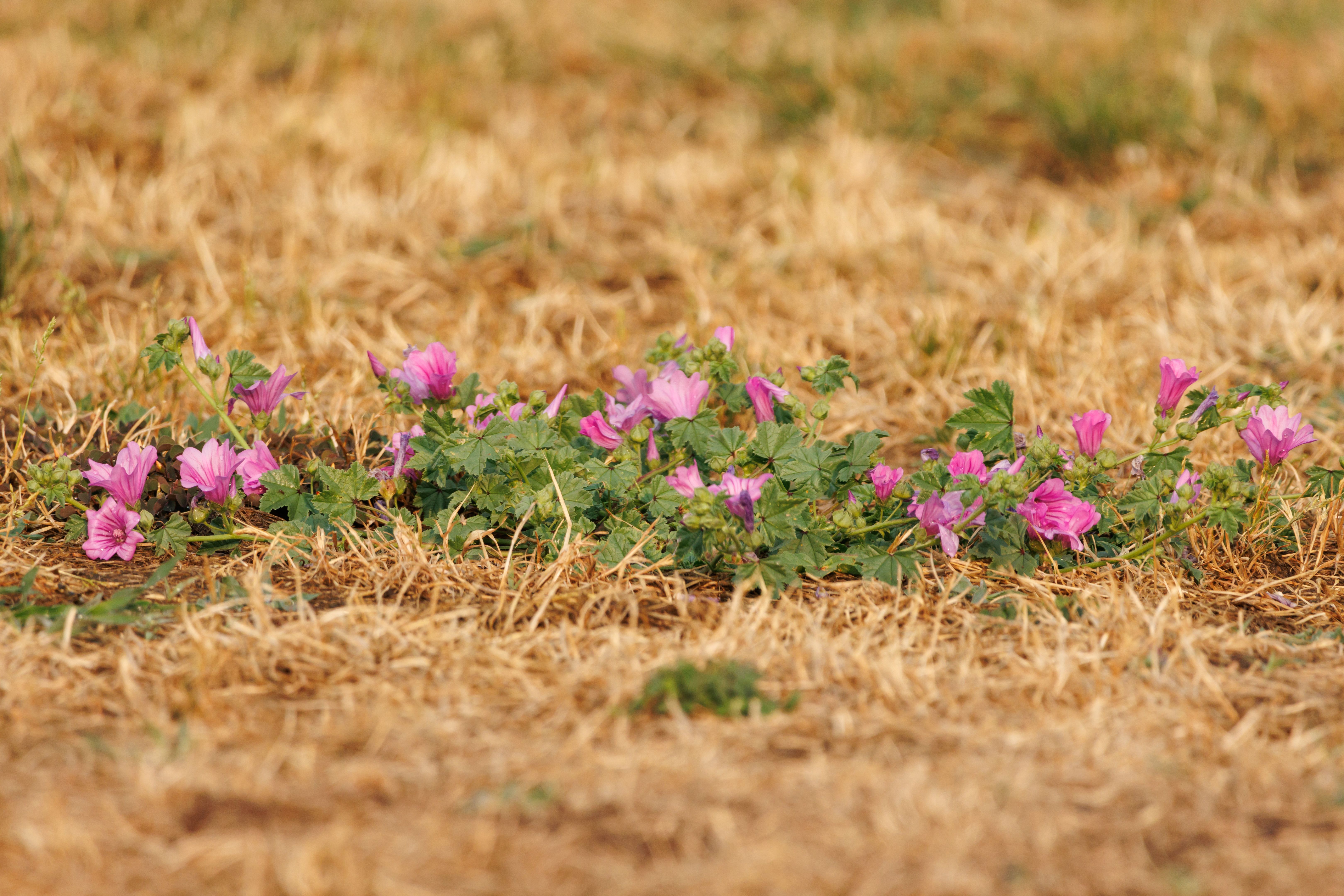
The dry winter months can lead to drought stress for gardens. To combat this, consider using drought-resistant plants and mulch to retain soil moisture. Incorporating native grasses and succulents can also help maintain a vibrant landscape despite water shortages.
Soil Conditions
The soil in Pretoria varies widely, with clay, loam, and sandy soils all present. Understanding your garden's soil type is essential for choosing the right plants and improving soil health. Regular soil testing can provide insights into nutrient levels and pH balance.
Improving Soil Quality
Adding organic matter, such as compost or well-rotted manure, can enhance soil fertility and structure. For clay soils, incorporating sand or gypsum can improve drainage. Conversely, sandy soils may benefit from additional organic matter to increase water retention.
Conclusion
Understanding Pretoria's unique climate and soil conditions is key to overcoming landscaping challenges. By selecting appropriate plants and implementing effective water and soil management strategies, you can create a garden that not only thrives but also complements the natural beauty of this vibrant city.